
The Park on Sixth
Closed380 6th St NE, Atlanta, GA 30308
Atlanta, GA
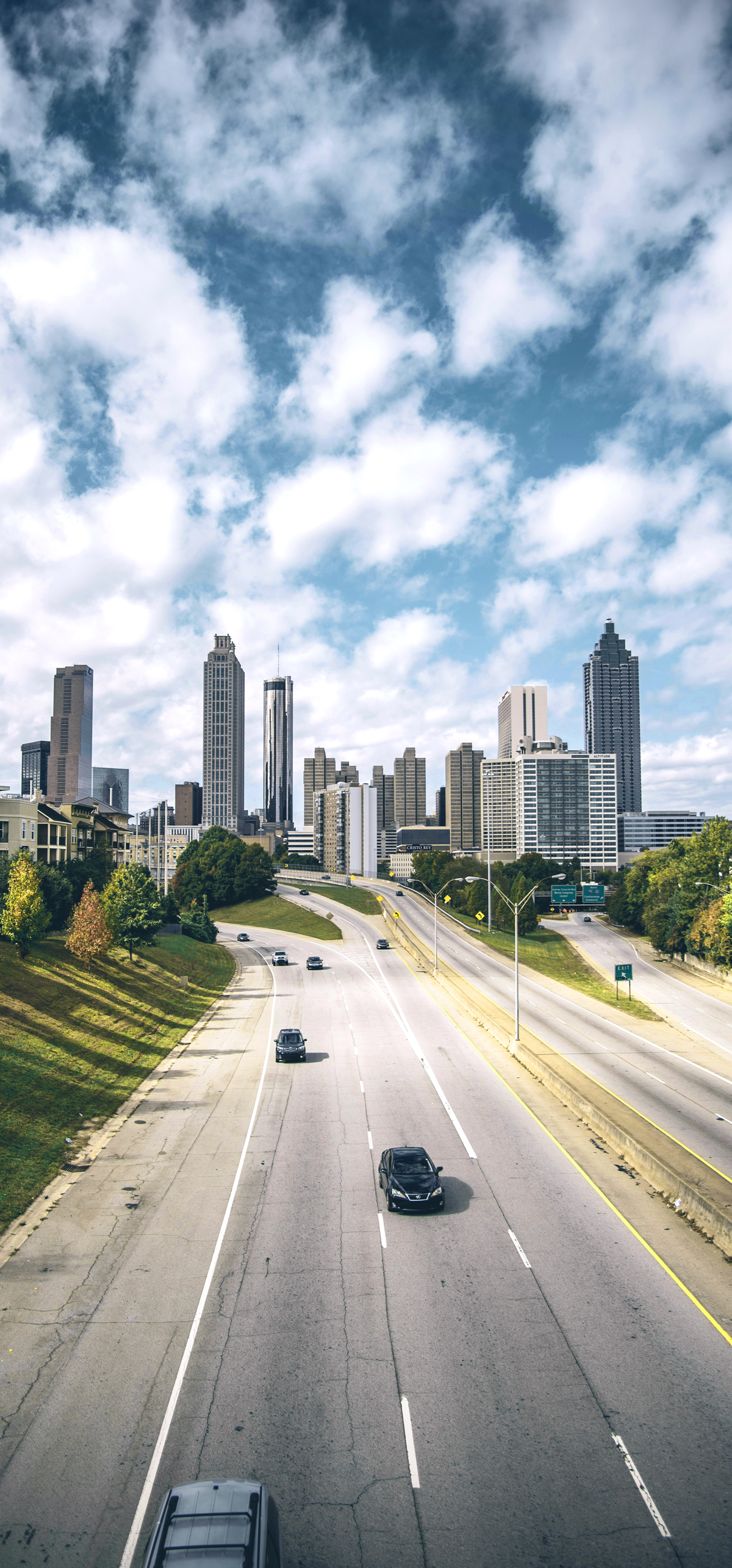
Atlanta, Georgia’s capital and largest city, rises among the Appalachian foothills at about 1,050 feet above sea level. Known as the “City in a Forest,” it combines rolling hills, extensive tree cover, influential neighborhoods, and a globally important airport. Atlanta is renowned as a transportation and business hub, a center of African American history and civil rights, and a major destination for technology, film, music, higher education, and professional sports.
Recreational Delights
Atlanta offers abundant outdoor recreation across 343 parks, gardens, and nature preserves. Piedmont Park anchors Midtown with walking paths, skyline views, sports fields, festivals, and access to the Atlanta Botanical Garden, whose conservatory, formal gardens, and Kendeda Canopy Walk showcase the city’s greenery. The Atlanta BeltLine provides a popular multi-use trail connecting parks, public art, restaurants, and neighborhoods. Grant Park combines shaded open space with Zoo Atlanta, while Centennial Olympic Park links downtown attractions and events. Along the northwest edge, the Chattahoochee River National Recreation Area supports hiking, fishing, kayaking, canoeing, tubing, and wildlife viewing. Historic Fourth Ward Park includes a skate park, and Chastain Park offers trails, recreation facilities, and a popular concert amphitheater. Golf, tennis, cycling, and running are also central to local life, highlighted by the Peachtree Road Race and Atlanta’s extensive trail network.
Culinary Scene
Atlanta’s food culture blends Southern traditions with an increasingly international and sophisticated dining scene. Barbecue, fried chicken, hamburgers, lemon-pepper wings, and comfort food remain local staples, represented by institutions such as The Varsity, Mary Mac’s Tea Room, and Paschal’s. West Midtown is a major destination for acclaimed contemporary restaurants, including Bacchanalia, Bocado, and Miller Union, while Midtown and the eastside offer celebrated dining, breweries, and converted-warehouse restaurants. Buford Highway is Atlanta’s essential international food corridor, featuring Mexican, Chinese, Vietnamese, Korean, Indian, Ethiopian, and many other cuisines. The city’s expanding Indian restaurant scene includes Michelin-recognized Chai Pani, and the wider metropolitan area broadens the options further through its diverse immigrant communities. Atlanta’s culinary identity increasingly emphasizes farm-to-table Southern cooking, chef-driven restaurants, food halls, craft beverages, and nationally recognized dining, earning the city a prominent place in the Southeast’s restaurant landscape.
Demographics
- Atlanta has 505,268 residents, with a median age of 34.2—nearly five years younger than the U.S. median of 38.9—reflecting its strong appeal to students, young professionals, and entrepreneurs.
- Median household income is $85,652, above the U.S. median of $80,734. The city has a highly educated workforce and a substantial, though unevenly distributed, concentration of professional and corporate employment.
- Atlanta remains a major African American cultural, political, and entrepreneurial center while also supporting growing Hispanic, Asian, African immigrant, LGBT, and other international communities.
Population
505,268
Growth 1.2%
Households
236,468
Growth 2.14%
Median Age
34.2
US Median Age 38.9
Median Household Income
$85,652
US Median Household Income $80,734
Sports
Baseball
Atlanta Braves
Football
Atlanta Falcons
Basketball
Atlanta Hawks
Soccer
Atlanta United FC
Education
Georgia Institute of Technology (Georgia Tech)
Georgia State University
Emory University
Atlanta University Center, including Spelman College, Morehouse College, Clark Atlanta University, and Morehouse School of Medicine
Entertainment
Fox Theatre
Woodruff Arts Center, home of the Atlanta Symphony Orchestra and Alliance Theatre
High Museum of Art
Georgia Aquarium
Quality of Life
Atlanta offers a dynamic quality of life built around cultural diversity, higher education, professional opportunity, parks, restaurants, and mild winters. Its dense tree canopy, extensive attractions, and relatively young population are major strengths. Traffic congestion, car dependence, housing pressures linked to gentrification, and neighborhood inequality remain important challenges, while MARTA, the BeltLine, and continued redevelopment are improving connectivity and urban amenities.
2022 Population by age
5%
0-4 Years
16%
5-19 Years
9%
20-24 Years
37%
25-44 Years
21%
45-64 Years
12%
65+ Years
Employers
6%
Unemployment rate
Employment sectors
Professional, Scientific, and Technical Services
19.93%
Educational Services
11.13%
Health Care and Social Assistance
10.18%
Retail Trade
8.76%
Accommodation and Food Services
7.01%
Transportation and Warehousing
6.42%
Finance and Insurance
6.15%
Manufacturing
5.24%
Administrative and Support and Waste Management Services
4.39%
Public Administration
4.34%
Information
4.07%
Real Estate and Rental and Leasing
3.64%
Construction
3.21%
Arts, Entertainment, and Recreation
2.5%
Other
3.02%