
Storage Point Portfolio
For saleUnder contract609 Market Street, Zelienople, PA 16063
Pittsburgh, PA
Pittsburgh, Pennsylvania, sits at the confluence of the Allegheny and Monongahela Rivers, where they form the Ohio River. Known as the “Steel City” and the “City of Bridges,” it transformed from a global steelmaking powerhouse into a center of healthcare, education, technology, robotics, finance, and culture. The metropolitan area encompasses more than 2.43 million people across southwestern Pennsylvania and neighboring parts of Ohio and West Virginia. Pittsburgh is renowned for its dramatic hills, distinctive neighborhoods, industrial heritage, major universities, medical breakthroughs, passionate sports culture, and celebrated museums and performing-arts institutions.
Recreational Delights
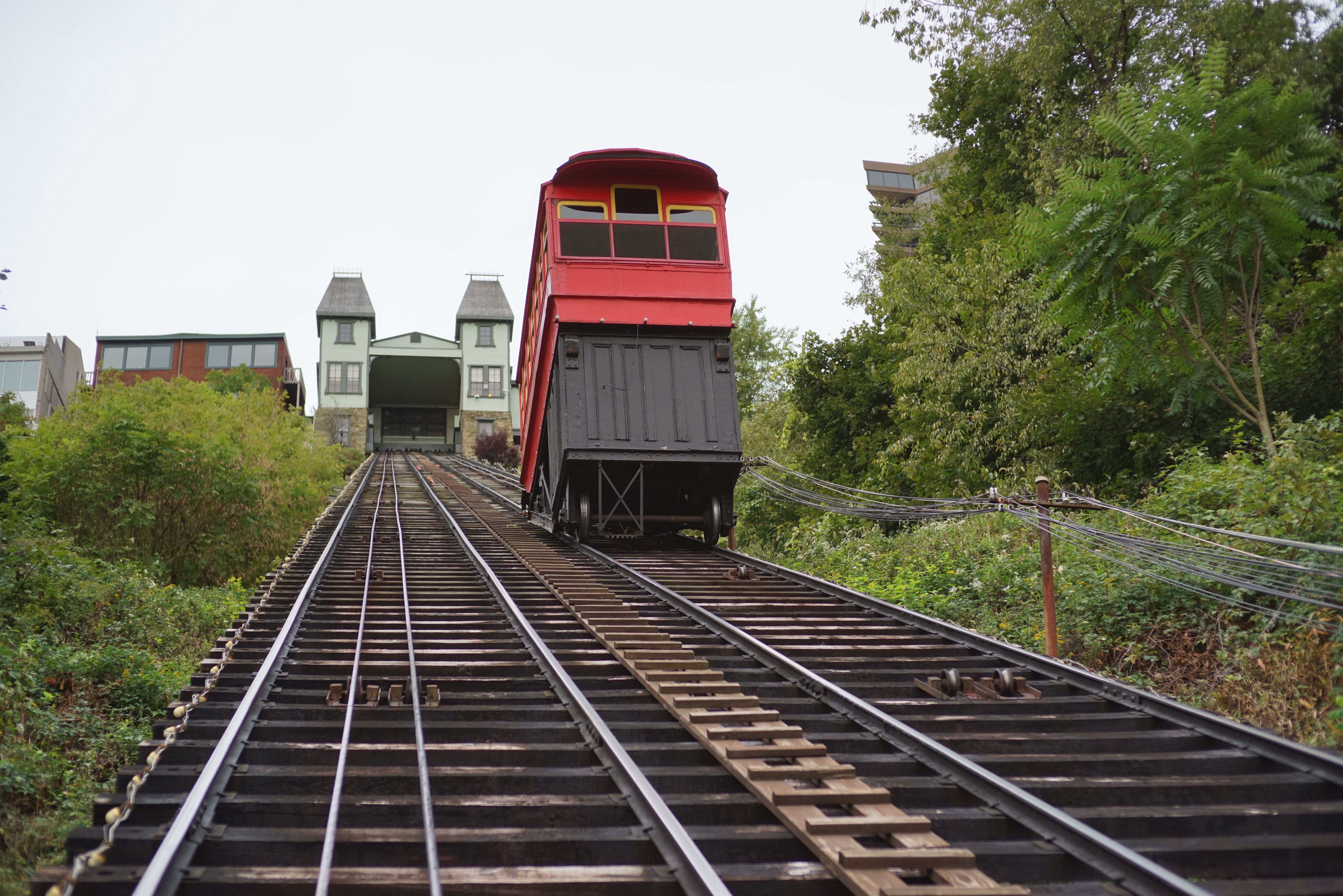
Pittsburgh offers varied outdoor recreation amid rivers, wooded hills, and historic neighborhoods. Point State Park provides open lawns and riverfront views at the city’s famous “Point,” while Frick Park’s 664 acres support hiking, biking, birding, and woodland exploration. Schenley Park, Mellon Park, and nearby Hartwood Acres add trails, gardens, and green space. The Great Allegheny Passage connects Pittsburgh with Washington, D.C., creating an exceptional corridor for cycling, walking, and running. Riverfront trails invite jogging, rowing, fishing, and scenic rides, while the city’s famous public stairways offer urban hikes and overlooks. Mount Washington’s inclines lead to sweeping skyline views, and the Pittsburgh Zoo & Aquarium, National Aviary, and Phipps Conservatory provide family-friendly attractions. Outside the city, Kennywood amusement park and regional ski areas such as Seven Springs and Boyce Park broaden seasonal recreation.
Culinary Scene
Pittsburgh’s food culture combines Eastern European traditions, Italian heritage, contemporary dining, and unmistakable local specialties. Pierogies, kielbasa, chipped chopped ham sandwiches, and Klondike bars reflect the region’s immigrant and industrial history. The Strip District is a lively food destination, with open-air markets, specialty grocers, bakeries, restaurants, and nightlife. Bloomfield, Pittsburgh’s Little Italy, is known for Italian restaurants and neighborhood markets, while Lawrenceville offers creative restaurants, bakeries, and nationally recognized modern eateries. Squirrel Hill features Jewish, Asian, and international dining, and the South Side adds restaurants, bars, and late-night options along East Carson Street. Across the region, chefs have revitalized former industrial areas with inventive seasonal cuisine, including acclaimed establishments in Braddock, Garfield, and Lawrenceville. Annual Picklesburgh celebrates the city’s playful food identity with pickle-inspired dishes, vendors, and events.
Demographics
- The Pittsburgh metropolitan area has approximately 2.44 million residents. The supplied median age is 42.8, older than the U.S. median of 38.9, reflecting a mature regional population.
- The supplied median household income is $75,762, below the U.S. median of $80,734. Pittsburgh’s economy increasingly centers on healthcare, education, technology, finance, and professional services.
- Pittsburgh has diverse European, Black, Asian, Hispanic, Slavic, Italian, German, Irish, Polish, Ukrainian, and Croatian communities. Neighborhood identities remain especially visible in Bloomfield, Squirrel Hill, the Hill District, and the East End.
Population
2,439,940
Growth -0.16%
Households
1,061,705
Growth 0.18%
Median Age
42.8
US Median Age 38.9
Median Household Income
$75,762
US Median Household Income $80,734
Radius Metrics Highlights in 3-mile radius
9,780
Total population
19%
5 year population growth projection
4,103
Total households
$49,318
Per capita income
| 1 Mile | 3 Miles | 5 Miles | |
|---|---|---|---|
| Total population | 3,675 | 9,780 | 25,940 |
| 5 year projected total population | 4,103 | 11,631 | 34,781 |
| Total households | 1,676 | 4,103 | 10,495 |
| Current Median Household Income | $69,957 | $90,081 | $109,561 |
| 5 year projected median household income | $79,351 | $114,798 | $140,234 |
| Current Per Capita Income | $46,816 | $49,318 | $55,228 |
| 5 year projected per capita income | $56,094 | $62,369 | $71,094 |
| Median home value | $336,291 | $324,827 | $368,971 |
Sports
Football
Pittsburgh Steelers
Ice hockey
Pittsburgh Penguins
Baseball
Pittsburgh Pirates
Soccer
Pittsburgh Riverhounds
Education
Carnegie Mellon University
University of Pittsburgh
Duquesne University
Chatham University
Entertainment
Heinz Hall for the Performing Arts and the Pittsburgh Cultural District
Carnegie Museums of Pittsburgh
Andy Warhol Museum
Phipps Conservatory and Botanical Gardens
Quality of Life
Pittsburgh offers comparatively affordable urban living, renowned healthcare and universities, strong cultural institutions, extensive parks, and distinctive neighborhoods. Its bridges, hills, trails, and rivers create memorable scenery, while revitalized districts support dining and nightlife. Residents also contend with cloudy winters, steep terrain, occasional flooding, and continuing environmental-infrastructure concerns, including air pollution legacies and aging sewer systems.
2022 Population by age
5%
0-4 Years
16%
5-19 Years
6%
20-24 Years
26%
25-44 Years
26%
45-64 Years
21%
65+ Years
Employers
5%
Unemployment rate
Employment sectors
Health Care and Social Assistance
18.11%
Retail Trade
11.87%
Manufacturing
10.54%
Educational Services
10.05%
Professional, Scientific, and Technical Services
8.92%
Construction
6.54%
Finance and Insurance
6.46%
Accommodation and Food Services
6.29%
Transportation and Warehousing
4.92%
Administrative and Support and Waste Management Services
3.81%
Public Administration
3.39%
Wholesale Trade
2.23%
Other
6.87%