
Somerset Plaza
Closed7730-7798 Atlanta Hwy, Montgomery, AL 36117
Montgomery, AL
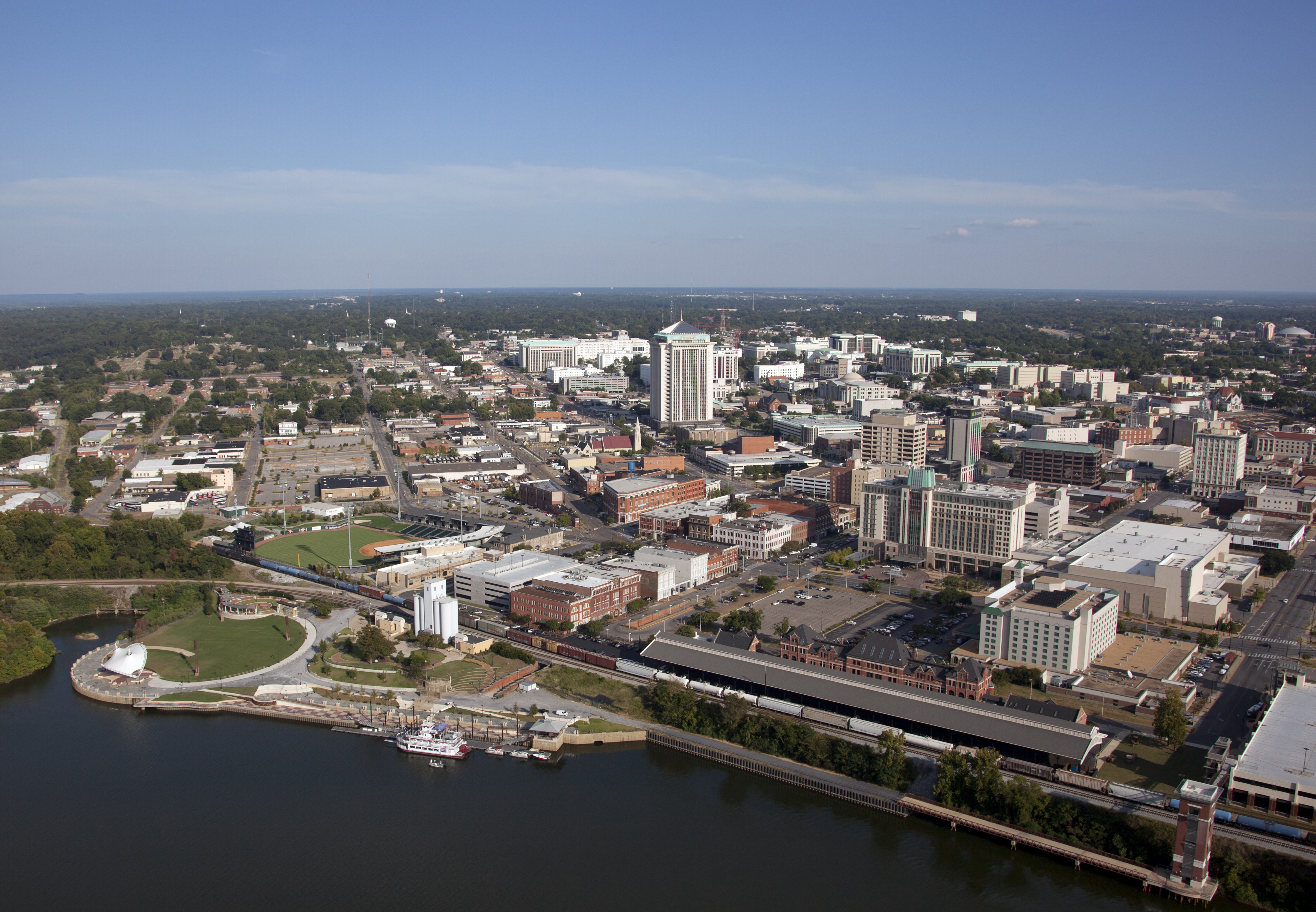
Montgomery, Alabama’s capital and county seat, stretches along the Alabama River in the state’s south-central Gulf Coastal Plain. Founded in 1819 through the merger of two river towns, it became Alabama’s capital in 1846 and played pivotal roles in Confederate history and the Civil Rights Movement. Today, Montgomery combines government, military, manufacturing, education, and cultural institutions with a revitalized downtown. Visitors are drawn to landmarks such as the State Capitol, Dexter Avenue Baptist Church, the Rosa Parks Library and Museum, and the National Memorial for Peace and Justice.
Recreational Delights
Montgomery offers more than 1,600 acres of municipal parkland and an extensive selection of outdoor facilities. Riverfront Park features a river walk, amphitheater, riverboat dock, and access to the Alabama River, while nearby Dabos Park anchors the downtown waterfront and Riverwalk Stadium. Wynton M. Blount Cultural Park provides landscaped open space alongside the Montgomery Museum of Fine Arts and Alabama Shakespeare Festival. Lagoon Park and Gateway Park offer golf, tennis, playgrounds, and sports fields, while the Emory Folmar Soccer Facility supports organized play. The city also maintains numerous baseball and softball fields, soccer pitches, community centers, a skate park, and a recently developed white-water park. Visitors can explore historic districts such as Cloverdale and the Garden District on foot, and the Selma to Montgomery National Historic Trail connects recreation with the region’s civil-rights history.
Culinary Scene
Montgomery’s food culture reflects its Alabama River setting, Black Belt agricultural heritage, and increasingly lively downtown. Traditional Southern cooking and barbecue remain central, with cotton- and peanut-growing history informing the region’s agricultural identity. Downtown’s revitalization has brought restaurants, cafés, retail, and nightlife into renovated warehouses and historic buildings, particularly around Dexter Avenue, Court Square, the Market District, and the convention center. The riverfront adds scenic dining and event possibilities, while the east side offers additional commercial choices near Eastdale Mall and The Shoppes at Eastchase. Montgomery’s culinary scene is complemented by cultural neighborhoods and institutions where visitors can experience African American history, Southern traditions, and contemporary local creativity.
Demographics
- The supplied local estimate lists 197,494 residents, while the 2020 census recorded 200,603. Montgomery is Alabama’s fourth-most populous city and anchors a metropolitan area of about 385,460 people.
- Montgomery’s median age is 36.6, younger than the U.S. median of 38.9. The 2020 census reported 22.7% of residents under 18 and 15.8% age 65 or older.
- Median household income is $56,811, below the U.S. median of $80,734. The 2010 census recorded a majority-Black population, alongside substantial White, Hispanic or Latino, and Asian communities.
Population
197,494
Growth -0.48%
Households
81,241
Growth 0.87%
Median Age
36.6
US Median Age 38.9
Median Household Income
$56,811
US Median Household Income $80,734
Sports
Baseball
Montgomery Biscuits
College football
Alabama State University Hornets
College basketball
Auburn University at Montgomery Warhawks
College athletics
Huntingdon College Hawks
Education
Alabama State University
Auburn University at Montgomery
Troy University—Montgomery Campus
Faulkner University
Entertainment
Alabama Shakespeare Festival and Carolyn Blount Theatre
Montgomery Museum of Fine Arts
Montgomery Performing Arts Center
National Memorial for Peace and Justice
Quality of Life
Montgomery offers a relatively affordable capital-city lifestyle, with extensive parks, major hospitals, universities, cultural attractions, and improving downtown walkability. Government and military institutions provide stability, while highways and regional air service support connectivity. Hot, humid summers and occasional severe storms are notable climate considerations, and crime remains a significant quality-of-life concern in some neighborhoods.
2022 Population by age
7%
0-4 Years
20%
5-19 Years
7%
20-24 Years
27%
25-44 Years
23%
45-64 Years
16%
65+ Years
Employers
6%
Unemployment rate
Employment sectors
Health Care and Social Assistance
14.03%
Manufacturing
13.75%
Retail Trade
12.16%
Public Administration
11.31%
Educational Services
8.43%
Accommodation and Food Services
7.22%
Administrative and Support and Waste Management Services
6.38%
Professional, Scientific, and Technical Services
6.11%
Transportation and Warehousing
5.67%
Construction
4.53%
Finance and Insurance
3.37%
Arts, Entertainment, and Recreation
2.08%
Other
4.96%