
Riverbend Village
Closed9515 Riverbend Village Dr, Charlotte, NC 28216
Charlotte-Concord-Gastonia, NC-SC
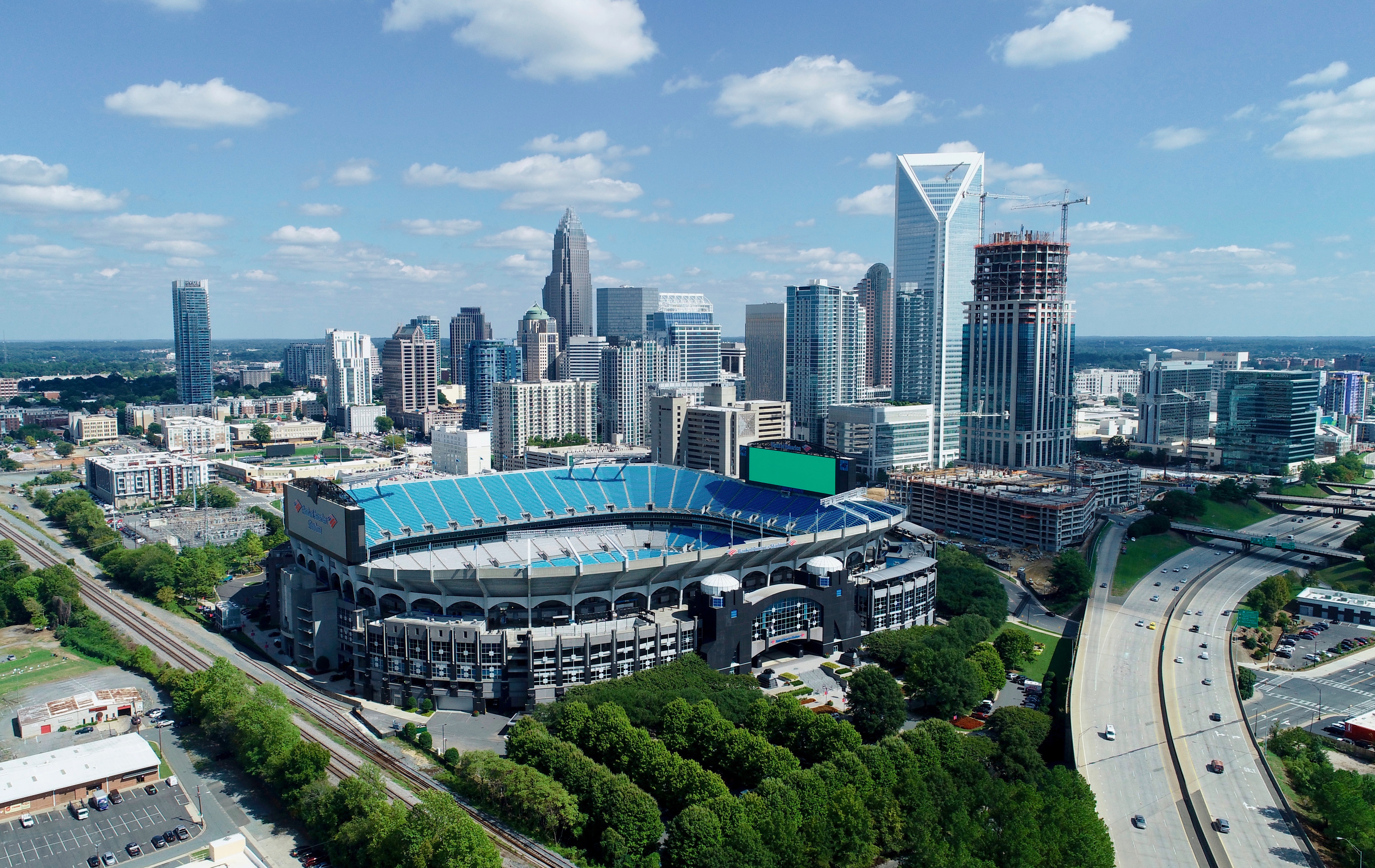
The Charlotte-Concord-Gastonia metropolitan area, spanning North and South Carolina, is the largest metropolitan region in the Carolinas and a major center of the Piedmont. Known informally as Metrolina or Greater Charlotte, it combines Charlotte’s urban core with communities such as Concord, Gastonia, Huntersville, Rock Hill, and Gastonia. The region is renowned for rapid growth, banking, transportation, manufacturing, auto racing, and professional sports. It is home to Bank of America and Truist headquarters, a major Wells Fargo employment hub, Charlotte Douglas International Airport, and a diverse network of universities, cultural attractions, and outdoor destinations.
Recreational Delights
Outdoor opportunities range from mountain foothills to lakes, rivers, forests, and state parks. Lake Norman supports boating, fishing, swimming, and waterfront recreation, while Crowders Mountain, Morrow Mountain, South Mountains, and Kings Mountain National Military Park offer hiking, climbing, camping, and scenic overlooks. The Uwharrie and Sumter national forests provide trails and nature-based exploration. Along the Catawba River, the U.S. National Whitewater Center combines rafting, canoeing, kayaking, climbing, mountain biking, running trails, and challenge courses across roughly 400 acres. Daniel Stowe Botanical Garden offers landscaped gardens and walking paths, while the McGill Rose Garden and Wing Haven Gardens provide quieter urban escapes. Carowinds adds amusement-park rides and seasonal entertainment, and the region’s extensive greenways and suburban parks support walking, cycling, and family recreation.
Culinary Scene
The metropolitan area’s culinary identity blends Carolina traditions with a rapidly diversifying urban food culture. Barbecue, Southern cooking, seafood, comfort food, and regional specialties such as Cheerwine and other Carolina products remain central, while Charlotte’s growth has expanded opportunities for international and immigrant-owned dining. Central Avenue and Plaza Midwood are established food and entertainment corridors, and NoDa combines restaurants with arts, nightlife, and neighborhood character. South End and Uptown offer concentrated dining near offices, cultural venues, and sporting destinations, while downtowns across Concord, Gastonia, Rock Hill, and other communities contribute local restaurants and cafés. The Arboretum, Phillips Place, and shopping districts around SouthPark provide additional upscale and casual options. Food businesses are also prominent in emerging immigrant commercial communities throughout the region.
Demographics
- The metropolitan area has 2,768,407 residents, making it one of the largest and fastest-growing urban regions in the Southeastern United States.
- The median age is 37.9, slightly younger than the U.S. median of 38.9, consistent with the area’s strong population growth and expanding employment base.
- Median household income is $83,304, above the U.S. median of $80,734, reflecting the region’s financial, corporate, healthcare, technology, and professional-services economy.
Population
2,768,407
Growth 2.05%
Households
1,076,260
Growth 2.52%
Median Age
37.9
US Median Age 38.9
Median Household Income
$83,304
US Median Household Income $80,734
Sports
Football
Carolina Panthers
Basketball
Charlotte Hornets
Soccer
Charlotte FC
Auto racing
NASCAR at Charlotte Motor Speedway
Entertainment
Bank of America Stadium
Spectrum Center
Blumenthal Performing Arts Center
NASCAR Hall of Fame
Quality of Life
Charlotte’s metropolitan area offers a broad quality-of-life mix: major employers, growing healthcare and education systems, extensive transportation connections, professional sports, cultural venues, shopping, and abundant outdoor recreation. Residents benefit from Piedmont landscapes, nearby lakes and foothills, and varied urban and suburban communities. Rapid growth brings new amenities and opportunities, while housing-market change and regional traffic remain important considerations.
2022 Population by age
6%
0-4 Years
20%
5-19 Years
6%
20-24 Years
28%
25-44 Years
26%
45-64 Years
14%
65+ Years
Employers
4%
Unemployment rate
Employment sectors
Health Care and Social Assistance
12.31%
Retail Trade
11.69%
Manufacturing
11.37%
Finance and Insurance
9.63%
Professional, Scientific, and Technical Services
9.11%
Construction
7.98%
Educational Services
7.67%
Accommodation and Food Services
6.4%
Transportation and Warehousing
5.77%
Administrative and Support and Waste Management Services
4.91%
Public Administration
2.81%
Wholesale Trade
2.73%
Real Estate and Rental and Leasing
2.05%
Other
5.58%