
New River Storage
Closed2016 Farley Dr, Wilmington, NC 28405
Wilmington, NC
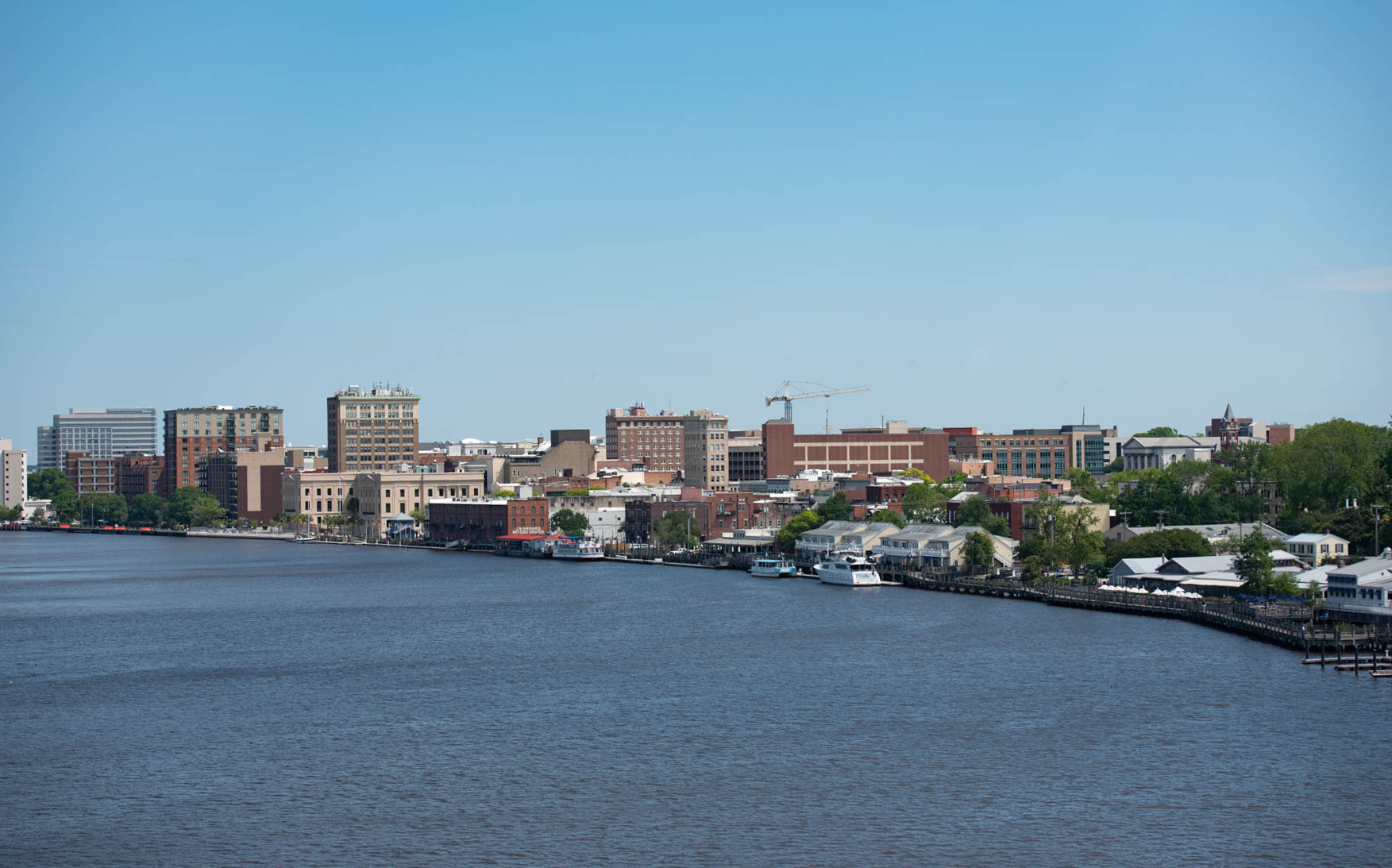
Wilmington is a historic port city on North Carolina’s Cape Fear River, positioned between the river and the Atlantic Ocean. Founded in the 1730s, it grew from colonial commerce into the principal city of a coastal metropolitan area spanning New Hanover, Brunswick, and Pender counties. Its nearly 300-block historic district, lively riverwalk, nearby beaches, and maritime heritage define its character. Wilmington is also renowned as “Hollywood East,” a major center for film and television production, and as the nation’s first designated World War II Heritage City.
Recreational Delights
Outdoor recreation ranges from surf and sand to river adventures. Wrightsville Beach is popular for swimming, surfing, paddleboarding, boating, and fishing, while Carolina Beach and Kure Beach offer broad shores, boardwalk entertainment, and family-friendly waterfront activities. The Cape Fear River waterfront features a 1.75-mile riverwalk ideal for strolling, sightseeing, dining, and sunset views. The lower Cape Fear estuary’s dredge-spoil islands attract kayakers and amateur fossil hunters. Residents and visitors also use the Gary Shell Cross-City Trail, which links Wade Park, Halyburton Park, Empie Park, and the Intracoastal Waterway for walking and cycling.
Culinary Scene
Wilmington’s food culture reflects its coastal location, port history, and growing tourism economy. Seafood is central, with locally inspired dishes built around shrimp, oysters, fish, crab, and other Atlantic and Cape Fear specialties. Downtown and the Riverwalk concentrate restaurants, bars, cafés, and nightlife in a walkable historic setting, while the Cotton Exchange adds a distinctive shopping-and-dining atmosphere. Wrightsville Beach, Carolina Beach, and Kure Beach provide casual waterfront dining and beach-oriented food scenes. Across the city, visitors can find Southern comfort food, barbecue, contemporary American cooking, international cuisines, craft beverages, and an increasingly creative independent restaurant culture.
Demographics
- The supplied regional demographic profile lists 453,347 residents, with a median age of 45.4—older than the U.S. median of 38.9—reflecting Wilmington’s appeal to both established households and coastal retirees.
- Median household income is $76,471, below the supplied U.S. median of $80,734. The wider metropolitan area includes New Hanover, Brunswick, and Pender counties and was estimated at 467,337 residents in 2023.
- Wilmington city recorded 115,451 residents in the 2020 census. Historical demographic data describe a diverse community, including substantial Black and Hispanic or Latino populations and a long, complex African American civic history.
Population
453,347
Growth 2.9%
Households
199,271
Growth 4.35%
Median Age
45.4
US Median Age 38.9
Median Household Income
$76,471
US Median Household Income $80,734
Sports
Baseball
Wilmington Sharks
Basketball
Wilmington Sea Dawgs
Soccer
Wilmington Hammerheads
College athletics
UNCW Seahawks
Education
University of North Carolina Wilmington
Cape Fear Community College
Miller-Motte Technical College
New Hanover County Schools
Entertainment
Thalian Hall, a historic performing-arts complex with three venues and roughly 250 annual events
USS North Carolina Memorial, a World War II battleship and major waterfront historic attraction
Cinespace Wilmington, a large film and television production complex known for sound stages and water-effects facilities
Cucalorus Film Festival, an annual independent film event supported by the Cucalorus Film Foundation
Quality of Life
Wilmington offers a relaxed coastal lifestyle, mild winters, abundant outdoor recreation, historic architecture, cultural attractions, and convenient access to beaches. Its economy benefits from tourism, healthcare, education, port activity, and creative production. Residents should also consider humid summers, hurricane exposure, heavy rainfall, traffic growth, and ongoing water-quality concerns in the Cape Fear watershed.
2022 Population by age
4%
0-4 Years
15%
5-19 Years
7%
20-24 Years
23%
25-44 Years
27%
45-64 Years
24%
65+ Years
Employers
5%
Unemployment rate
Employment sectors
Health Care and Social Assistance
14.67%
Retail Trade
12.57%
Construction
9.46%
Professional, Scientific, and Technical Services
9.1%
Accommodation and Food Services
8.44%
Educational Services
8.35%
Manufacturing
7.41%
Administrative and Support and Waste Management Services
5.5%
Finance and Insurance
4.4%
Public Administration
4.29%
Transportation and Warehousing
3.55%
Real Estate and Rental and Leasing
2.64%
Arts, Entertainment, and Recreation
2.47%
Information
2.45%
Wholesale Trade
2.03%
Other
2.66%