
Mini Warehouses of Alamance
Closed1550 Industry Dr, Burlington, NC 27215
Burlington, NC
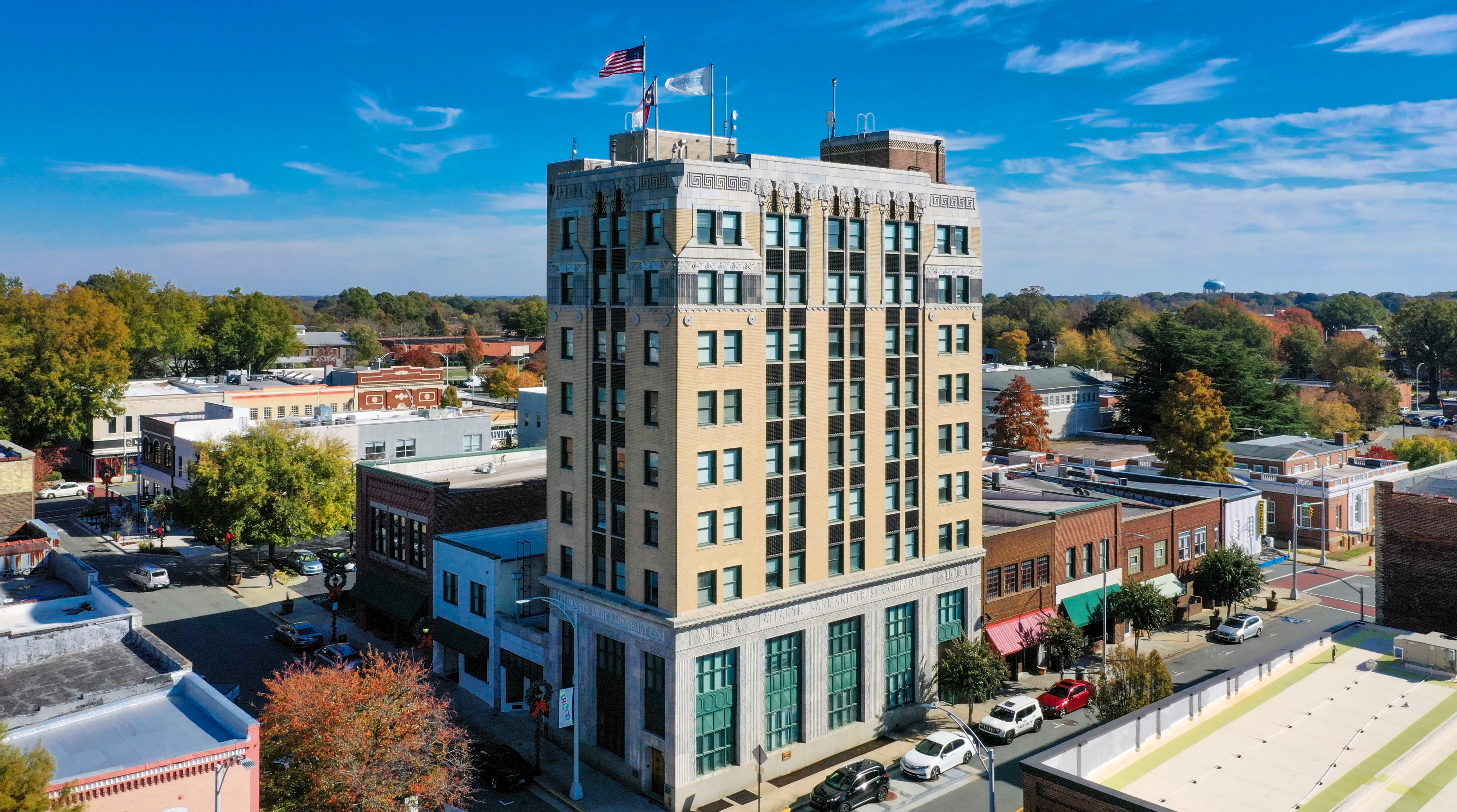
Burlington is a Piedmont Triad city in central North Carolina, situated primarily in Alamance County with western outskirts extending into Guilford County. Positioned between Greensboro and Durham, it grew from a 19th-century railroad repair center into a regional hub for biomedical testing, advanced manufacturing, education, and commerce. Burlington is renowned for its railroad heritage, textile history, restored downtown, historic districts, and family-friendly Burlington City Park. Its convenient location along Interstate 40/85 and Amtrak’s Piedmont and Carolinian routes connects residents and visitors with major North Carolina cities and the broader East Coast.
Recreational Delights
Outdoor recreation ranges from urban parks to river trails and natural areas. Burlington City Park spans more than 75 acres and features a restored Dentzel Carousel, miniature train, rides, playgrounds, walking trails, picnic shelters, an amphitheater, and baseball facilities; its annual Carousel Festival is a local highlight. Joe Davidson Park provides fields and courts for baseball, basketball, soccer, tennis, and disc golf. Beyond the city, Cedarock Park, Shallow Ford Natural Area, Great Bend Park at Glencoe, and nearby recreation centers support hiking, paddling, picnicking, and nature exploration. The Haw River Trail and Paddle Trail offer access at Altamahaw, Shallow Ford, Glencoe, and Saxapahaw, while the Mountains-to-Sea Trail provides longer-distance hiking opportunities. Golfers can play at The Valley Golf Course, and Burlington Athletic Stadium hosts summer collegiate baseball in Fairchild Park.
Culinary Scene
Burlington’s food culture blends North Carolina comfort food, regional barbecue traditions, Southern fast-casual dining, and international influences reflecting its diverse community. Downtown is the city’s most distinctive dining district, with independent eateries, small shops, and longtime institutions such as Zack’s Hotdogs, which has served the community since 1928. Biscuitville, founded in Burlington, represents the area’s celebrated breakfast and biscuit tradition and has grown into a regional chain. Shopping and dining clusters at Alamance Crossing, Holly Hill Mall, and Burlington Outlet Village add national and fast-casual options. Restaurants throughout the city also reflect the area’s Latino community, while nearby Elon and the wider Piedmont Triad contribute additional contemporary, collegiate, and globally inspired choices. The revitalized downtown offers the strongest concentration of locally rooted restaurants and casual gathering places.
Demographics
- The supplied demographic area has 176,893 residents and a median age of 38.9, exactly matching the U.S. median age. Burlington itself recorded 57,303 residents in the 2020 census.
- Median household income is $65,651, below the U.S. median of $80,734. The 2023 ACS reported Burlington’s average household income at $73,496.
- Burlington is highly urbanized: 99.9% of city residents lived in urban areas in 2020. The city has a substantial African American and Latino presence alongside its historically diverse Piedmont population.
Population
176,893
Growth 1.5%
Households
70,062
Growth 2.37%
Median Age
38.9
US Median Age 38.9
Median Household Income
$65,651
US Median Household Income $80,734
Education
Alamance Community College
Elon University
Alamance Christian School
The Burlington School
Entertainment
Burlington City Park and its historic Dentzel Carousel
Burlington Athletic Stadium in Fairchild Park
Downtown Burlington’s restored theater and historic district
Burlington Boys’ Choir
Quality of Life
Burlington offers a generally accessible, connected quality of life, with moderate household incomes, extensive parks, historic neighborhoods, healthcare and biomedical employment, and convenient rail and highway access. Residents benefit from a family-oriented recreation system, nearby higher education, and a revitalized downtown, while income levels remain below national benchmarks.
2022 Population by age
6%
0-4 Years
20%
5-19 Years
7%
20-24 Years
25%
25-44 Years
26%
45-64 Years
17%
65+ Years
Employers
5%
Unemployment rate
Employment sectors
Health Care and Social Assistance
17.51%
Manufacturing
15.06%
Retail Trade
12.77%
Educational Services
10.77%
Construction
8.14%
Accommodation and Food Services
7.62%
Professional, Scientific, and Technical Services
5.21%
Administrative and Support and Waste Management Services
4.29%
Transportation and Warehousing
4.11%
Finance and Insurance
3.98%
Public Administration
3.5%
Wholesale Trade
2.25%
Other
4.79%