
The Reserve on Willow Lake
Closed4101 South Hulen Street, Fort Worth, TX 76109
Fort Worth, TX
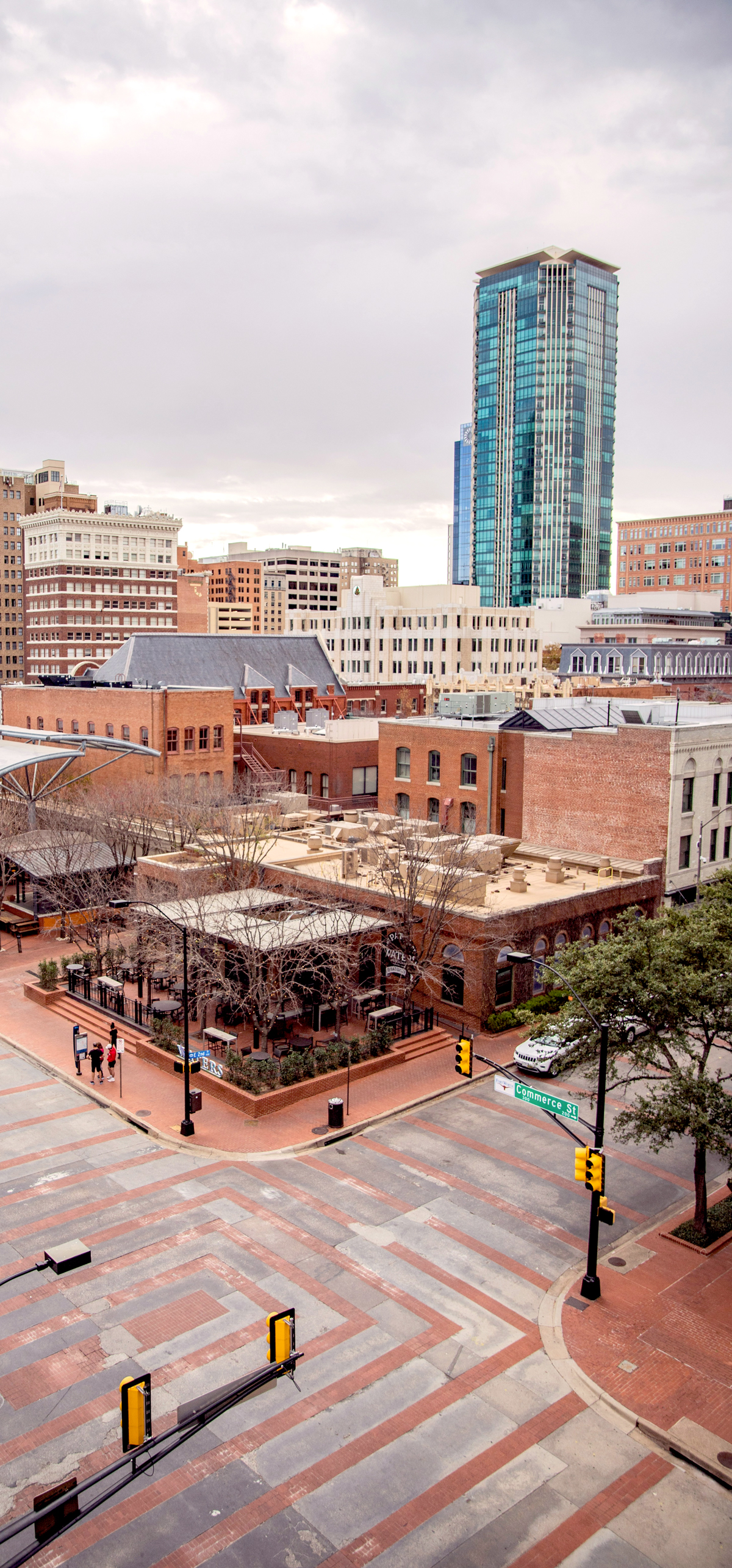
Fort Worth, the county seat of Tarrant County, occupies nearly 350 square miles in North Texas and forms the western anchor of the Dallas–Fort Worth metroplex. Founded in 1849 as a Trinity River army outpost, it remains renowned as “Cowtown,” where Western heritage, cattle culture, contemporary architecture, and major museums meet. With more than 1 million residents estimated in 2025, Fort Worth is one of the nation’s fastest-growing large cities and is celebrated as the place “where the West begins.”
Recreational Delights
Fort Worth offers extensive outdoor recreation across more than 260 parks and 11,700 acres of parkland. The 3,621-acre Fort Worth Nature Center and Refuge provides hiking, birding, canoeing, wetlands, prairie, forests, and opportunities to see its bison herd. The Trinity River corridor supports walking, cycling, and wildlife viewing, while Lake Worth offers boating and shoreline recreation. Downtown’s Fort Worth Water Gardens create an urban cooling oasis, and the Fort Worth Botanic Garden provides cultivated landscapes and educational displays. Families can visit the Fort Worth Zoo, home to more than 7,000 animals, while dog owners can use ZBonz Dog Park and Fort Woof. The Stockyards add Western-themed recreation, including weekly rodeos at Cowtown Coliseum, a daily cattle drive, and access to the Grapevine Vintage Railroad.
Culinary Scene
Fort Worth’s dining culture blends Texas ranch traditions with a broadening urban food scene. The historic Stockyards remains the signature destination for steaks, barbecue, Tex-Mex, Southern cooking, and Western-style dining, alongside lively bars and country-music venues. Celebrity chef Tim Love has operated several restaurants there, reinforcing the district’s reputation as a destination for modern interpretations of cowboy cuisine. Downtown’s Sundance Square offers restaurants, cafés, nightlife, and polished dining in a walkable entertainment district, while the Near Southside and surrounding central neighborhoods contribute independent restaurants, craft beverages, and globally inspired options. Across the city, traditional beef-centered fare reflects Fort Worth’s cattle-market history, while its increasingly diverse population supports Mexican, Latin American, Asian, and other international cuisines.
Demographics
- Fort Worth has 963,194 residents in the supplied demographic data, with a median age of 33.6—more than five years younger than the U.S. median of 38.9.
- Median household income is $79,507, slightly below the supplied U.S. median of $80,734, while rapid population growth continues to attract families, workers, and newcomers.
- Fort Worth is highly diverse: 2020 figures reported 34.8% Hispanic or Latino residents, 19.2% Black residents, 5.1% Asian residents, and 36.6% non-Hispanic white residents.
Population
963,194
Growth 2.32%
Households
342,126
Growth 2.36%
Median Age
33.6
US Median Age 38.9
Median Household Income
$79,507
US Median Household Income $80,734
Sports
College football
TCU Horned Frogs
Professional golf
Charles Schwab Challenge
NASCAR racing
Texas Motor Speedway
Rodeo
Fort Worth Stock Show and Rodeo
Education
Texas Christian University
Texas Wesleyan University
UNT Health Fort Worth
Texas A&M University School of Law
Entertainment
Bass Performance Hall
Kimbell Art Museum
Modern Art Museum of Fort Worth
Amon Carter Museum of American Art
Quality of Life
Fort Worth combines metropolitan amenities with comparatively spacious neighborhoods, a strong cultural identity, extensive parks, and access to the wider Dallas–Fort Worth economy. Its young, diverse, fast-growing population supports energetic civic and cultural life. Hot summers, severe thunderstorms, car dependence, and ongoing development are notable trade-offs, while transit connections, expanding employment, and varied housing contribute to its appeal.
2022 Population by age
7%
0-4 Years
22%
5-19 Years
7%
20-24 Years
31%
25-44 Years
22%
45-64 Years
11%
65+ Years
Employers
4.8%
Unemployment rate (city/place, ACS 2020–2024)
Employment sectors
Health Care and Social Assistance
12.35%
Retail Trade
11.84%
Manufacturing
11.07%
Transportation and Warehousing
9.39%
Construction
9%
Educational Services
8.7%
Professional, Scientific, and Technical Services
7.17%
Accommodation and Food Services
7.15%
Finance and Insurance
6.22%
Administrative and Support and Waste Management Services
5.2%
Public Administration
3.3%
Wholesale Trade
2.65%
Other
5.97%