
Iron Storage Portfolio
Closed54 Gold St , Canton, NC 28716
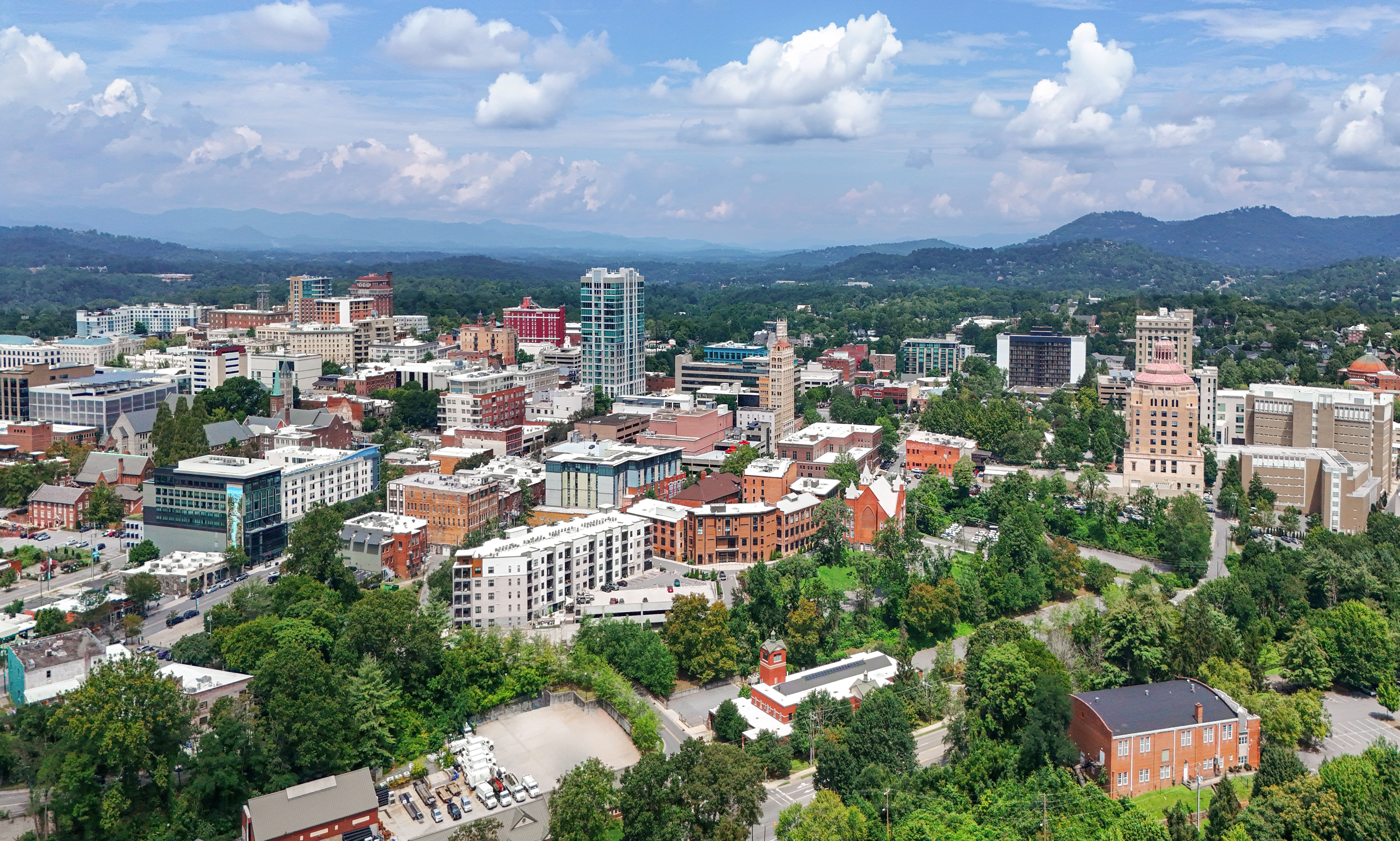
Asheville, NC
Set in the Blue Ridge Mountains of Western North Carolina, Asheville rises where the French Broad and Swannanoa rivers meet. It is the region’s largest city and a celebrated destination for mountain scenery, historic architecture, craft culture, music, and food. Asheville is renowned for the vast Biltmore Estate, the scenic Blue Ridge Parkway, its preserved Art Deco downtown, vibrant arts communities, and easy access to Appalachian forests and waterways. Its metropolitan area is home to more than 400,000 residents.
Recreational Delights
Asheville offers exceptional four-season recreation. The Blue Ridge Parkway provides panoramic drives, overlooks, hiking, cycling, and access to trails around Mount Pisgah. The French Broad River is popular for kayaking, rafting, tubing, fishing, and riverside outings, while the Swannanoa River adds additional water-based opportunities. The North Carolina Arboretum and Botanical Gardens at Asheville feature cultivated landscapes, walking paths, and educational programs. Bent Creek Experimental Forest supports hiking, mountain biking, and horseback riding. Carrier Park includes greenways, sports fields, and an outdoor inline-hockey rink, while the nearby Pisgah National Forest expands opportunities for camping, climbing, waterfall visits, and backcountry exploration. Asheville also has numerous disc-golf courses and public parks. Although the city is inland, mountain lakes and regional rivers provide swimming and boating options, and the mild climate supports outdoor activities much of the year.
Culinary Scene
Asheville’s culinary identity blends Appalachian traditions with nationally recognized contemporary dining. Downtown, South Slope, West Asheville, the River Arts District, and Biltmore Village are major food destinations, offering farm-to-table restaurants, bakeries, cafés, food halls, and craft breweries. Chai Pani is celebrated for Indian street food, while Cúrate highlights Spanish cuisine; both received James Beard recognition in 2022. The city is also known for Cantonese, Southern, vegetarian, and globally inspired cooking, alongside a strong local-food movement. Breweries, cideries, and sustainable restaurants contribute to Asheville’s distinctive beverage and dining culture. Asheville became the first U.S. city recognized by the Green Restaurant Association as a Green Dining Destination. Michelin Bib Gourmand recognition has further spotlighted Luminosa, Little Chango, and Mother, with Luminosa also receiving a Green Star for sustainability.
Demographics
- The supplied population figure is 414,711, representing the broader local demographic base; Asheville itself recorded 94,589 residents in the 2020 census.
- The median age is 44, older than the U.S. median of 38.9, reflecting a substantial mature-adult and retiree presence alongside students and creative professionals.
- Median household income is $71,838, below the U.S. median of $80,734. Asheville is an urban, culturally diverse regional center with historically significant Black communities, including The Block and East End/Valley Street.
Population
414,711
Growth 0.95%
Households
161,264
Growth -0.14%
Median Age
44
US Median Age 38.9
Median Household Income
$71,838
US Median Household Income $80,734
Sports
Baseball
Asheville Tourists
Basketball
UNC Asheville Bulldogs
Soccer
Asheville City SC
Roller derby
Blue Ridge Rollergirls
Education
University of North Carolina at Asheville
Asheville-Buncombe Technical Community College
South College – Asheville Campus
Asheville School
Entertainment
The Orange Peel
Asheville Community Theatre
Asheville Art Museum
River Arts District
Quality of Life
Asheville combines mountain access, a cooler climate, historic neighborhoods, strong arts and food cultures, and extensive outdoor recreation. Healthcare, education, and cultural amenities support regional residents, while tourism energizes the economy. Housing affordability, infrastructure vulnerability, and recovery from Hurricane Helene remain important challenges. The city’s sustainability initiatives and community-oriented identity add to its appeal.
2022 Population by age
4%
0-4 Years
16%
5-19 Years
5%
20-24 Years
26%
25-44 Years
26%
45-64 Years
23%
65+ Years
Employers
4%
Unemployment rate (metro, ACS 2020–2024)
Employment sectors
Health Care and Social Assistance
17.37%
Retail Trade
13.23%
Manufacturing
10.55%
Accommodation and Food Services
9.83%
Construction
8.56%
Educational Services
8.11%
Professional, Scientific, and Technical Services
8%
Administrative and Support and Waste Management Services
4.24%
Public Administration
3.46%
Transportation and Warehousing
3.16%
Finance and Insurance
2.95%
Real Estate and Rental and Leasing
2.72%
Arts, Entertainment, and Recreation
2.51%
Wholesale Trade
2.17%
Other
3.13%