
First Flight Storage
Closed185 NC-581, Goldsboro, NC 27530
Goldsboro, NC
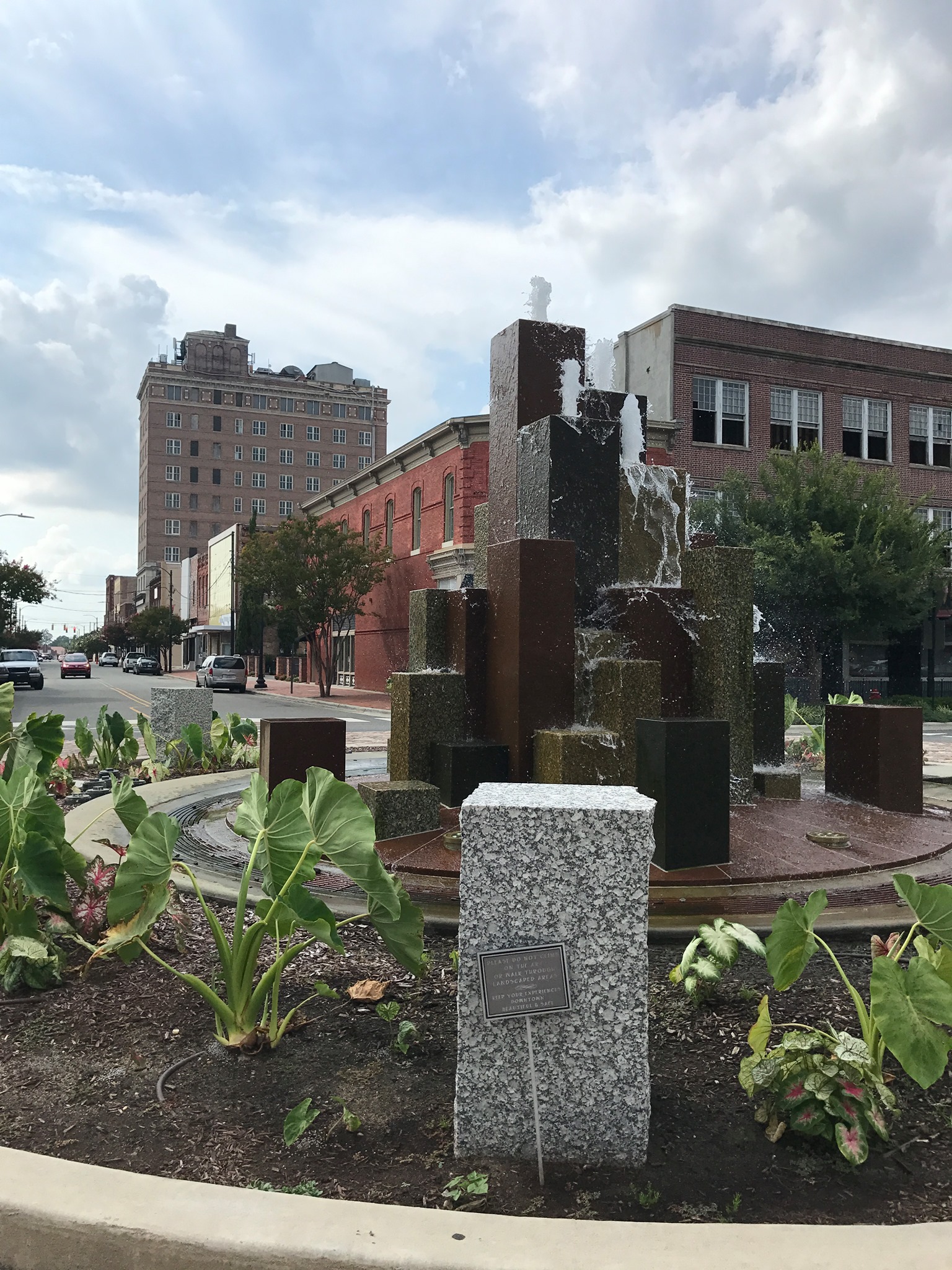
Goldsboro is a historic Wayne County city in North Carolina’s Coastal Plain, positioned between the Neuse and Little rivers about 50 miles southeast of Raleigh. Incorporated in 1847, it grew as a major railroad junction and remains the county seat and principal city of its metropolitan area. Seymour Johnson Air Force Base is a defining presence, while nearby waterways, historic sites, and access to eastern North Carolina give Goldsboro a distinctive blend of military, agricultural, and regional heritage.
Recreational Delights
Outdoor recreation centers on the Neuse River and the surrounding Coastal Plain. Cliffs of the Neuse State Park, near Goldsboro, offers a swimming area, fishing spots, picnic grounds, nature exhibits, and hiking trails beneath dramatic 90-foot river bluffs. Herman Park provides tennis courts, a children’s playground, picnic shelters, a miniature train, a gazebo, and landscaped spaces for relaxed family outings. Nearby lakes and ponds support fishing and quiet water-based recreation, while Waynesborough Historical Village offers a slower-paced cultural excursion through reconstructed historic buildings. The city’s warm, humid summers and generally mild winters support year-round parks and outdoor activities, with occasional winter snowfall.
Culinary Scene
Goldsboro’s food culture reflects eastern North Carolina and the wider Coastal Plain, with Southern comfort food, barbecue, seafood, fried dishes, and locally influenced farm fare forming the culinary foundation. The city’s agricultural setting and Wayne County’s role in hog and turkey production connect dining to regional meat production and traditional Carolina cooking. Restaurants and casual eateries are concentrated around the downtown area, major US 70 corridors, and neighborhoods serving Seymour Johnson Air Force Base personnel and longtime local communities. Diners can expect a practical mix of family-owned establishments, fast-casual restaurants, national chains, and international options, including Spanish-language cultural influences represented in local media. Seasonal community events and informal gathering places add to Goldsboro’s approachable, neighborhood-oriented food scene.
Demographics
- Goldsboro city had 33,657 residents in the 2020 census, while the supplied metropolitan-area population is 118,652. The city is overwhelmingly urban, with 98.6% of residents living in urban areas.
- The supplied metro median age is 37.3, younger than the U.S. median of 38.9. In the city, 21.8% of residents were under 18 and 19.5% were 65 or older in 2020.
- The supplied median household income is $59,733, below the U.S. median of $80,734. City-level census data reported a $33,043 household median and a 26.2% poverty rate.
Population
118,652
Growth 0.89%
Households
47,507
Growth 1.32%
Median Age
37.3
US Median Age 38.9
Median Household Income
$59,733
US Median Household Income $80,734
Radius Metrics Highlights in 3-mile radius
7,691
Total population
94%
5 year population growth projection
3,079
Total households
$37,099
Per capita income
| 1 Mile | 3 Miles | 5 Miles | |
|---|---|---|---|
| Total population | 781 | 7,691 | 22,997 |
| 5 year projected total population | 1,020 | 14,926 | 44,461 |
| Total households | 349 | 3,079 | 9,085 |
| Current Median Household Income | $68,585 | $80,090 | $69,955 |
| 5 year projected median household income | $57,736 | $90,486 | $84,877 |
| Current Per Capita Income | $36,490 | $37,099 | $33,608 |
| 5 year projected per capita income | $43,917 | $43,286 | $38,381 |
| Median home value | $200,073 | $188,925 | $189,169 |
Education
Wayne Community College
North Carolina Wesleyan College Goldsboro campus
Goldsboro High School
Wayne School of Engineering
Entertainment
Cliffs of the Neuse State Park
Herman Park
Waynesborough Historical Village
Oheb Shalom synagogue
Quality of Life
Goldsboro offers a comparatively accessible small-city lifestyle shaped by military employment, healthcare, agriculture, and regional services. Residents benefit from parks, river access, historic attractions, community institutions, and proximity to Raleigh and Greenville. Housing and everyday costs may be more manageable than in larger North Carolina metros, though city-level poverty and income figures indicate substantial economic variation among households.
2022 Population by age
6%
0-4 Years
20%
5-19 Years
7%
20-24 Years
25%
25-44 Years
24%
45-64 Years
17%
65+ Years
Employers
5%
Unemployment rate
Employment sectors
Health Care and Social Assistance
14.65%
Manufacturing
14.4%
Retail Trade
13.57%
Educational Services
9.58%
Accommodation and Food Services
7.63%
Construction
6.51%
Public Administration
5.71%
Professional, Scientific, and Technical Services
4.86%
Administrative and Support and Waste Management Services
4.44%
Finance and Insurance
4.19%
Transportation and Warehousing
3.87%
Agriculture, Forestry, Fishing, and Hunting
2.84%
Wholesale Trade
2.61%
Other
5.13%