
Dollar General
Closed4019 State Hwy 30, W, Huntsville, TX 77340
College Station-Bryan, TX
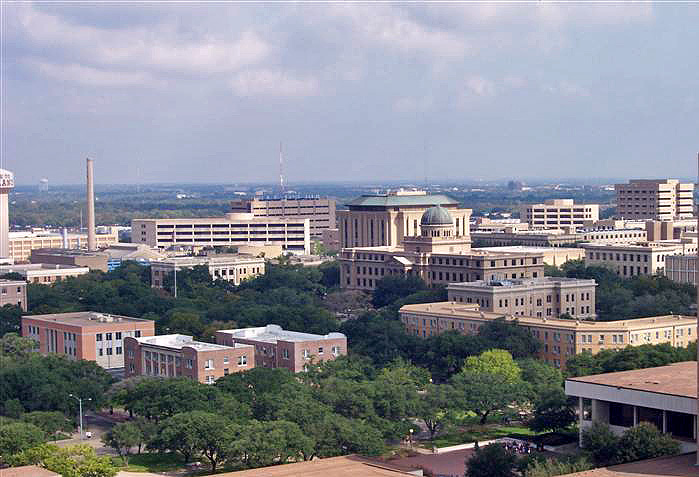
College Station–Bryan is a twin-city metropolitan area in Texas’s Brazos Valley, encompassing Brazos, Burleson, and Robertson counties. Known as “Aggieland,” it is shaped by the main campus of Texas A&M University and the traditions, research, and athletics surrounding it. The region combines College Station’s university-centered energy with Bryan’s historic downtown, arts, and growing culinary scene. Its broad landscape includes nearly 2,123 square miles of prairie, woodland, farmland, and waterways, offering a distinctive blend of academic influence, small-city character, and Central Texas hospitality.
Recreational Delights
Outdoor recreation ranges from lakeside relaxation to wooded trails and community parks. Lake Bryan offers boating, fishing, camping, swimming, mountain biking, and hiking, while Lake Somerville State Park provides camping, birding, horseback riding, paddling, and miles of trails around a larger reservoir. In College Station, Lick Creek Park features native landscapes, walking trails, wildlife viewing, and environmental education. Veterans Park and Athletic Complex includes sports fields, walking paths, memorials, and open lawns, while Wolf Pen Creek Park adds trails, green space, and an amphitheater for outdoor events. Bryan’s parks and historic neighborhoods are well suited to walking, cycling, and community festivals. The area’s extensive university grounds and nearby rural countryside also support running, golf, hunting, fishing, and seasonal nature excursions.
Culinary Scene
The region’s food culture combines Texas barbecue, Tex-Mex, Southern comfort food, burgers, steakhouses, and an increasingly international student-driven dining scene. Northgate, beside Texas A&M, is the best-known entertainment and restaurant district, with casual eateries, coffee shops, bars, and late-night food. Downtown Bryan offers locally owned restaurants, bakeries, cafés, cocktail bars, and food-focused events amid restored historic buildings. Century Square adds contemporary restaurants, retail, and social spaces near campus. Diners can find Asian, Mediterranean, Indian, Mexican, and vegetarian options alongside classic Texas fare. Local breweries, food trucks, farmers markets, and craft-coffee shops contribute to a relaxed, entrepreneurial food scene, while nearby rural communities add barbecue stands, farm products, and traditional regional cooking.
Demographics
- The metropolitan area has 278,335 residents, with a median age of 28.6—more than ten years younger than the U.S. median of 38.9, reflecting Texas A&M’s large student and academic population.
- Median household income is $60,087, below the U.S. median of $80,734. The area’s economy and social life are strongly influenced by higher education, research, healthcare, and university-related employment.
- The 2020 MSA population was 60.71% White, 10.63% African American, and 5.52% Asian; Hispanic or Latino residents of any race represented 26.21%, contributing to the region’s cultural diversity.
Population
278,335
Growth 1.85%
Households
105,688
Growth 2.97%
Median Age
28.6
US Median Age 38.9
Median Household Income
$60,087
US Median Household Income $80,734
Entertainment
George H.W. Bush Presidential Library and Museum
Wolf Pen Creek Amphitheater
The Grand Stafford Theater
MSC OPAS at Texas A&M University
Quality of Life
College Station–Bryan offers an energetic university environment, abundant parks, approachable communities, and a relatively young population. Residents benefit from Texas A&M’s cultural and educational resources, expanding dining and entertainment, and access to lakes and countryside. Household incomes trail the national median, but the area’s amenities, academic opportunities, and strong civic identity support a generally appealing quality of life.
2022 Population by age
5%
0-4 Years
22%
5-19 Years
17%
20-24 Years
26%
25-44 Years
18%
45-64 Years
12%
65+ Years
Employers
5%
Unemployment rate
Employment sectors
Educational Services
22.72%
Retail Trade
11.75%
Health Care and Social Assistance
10.26%
Accommodation and Food Services
9.67%
Construction
8.32%
Professional, Scientific, and Technical Services
6.75%
Manufacturing
6.19%
Administrative and Support and Waste Management Services
4.03%
Transportation and Warehousing
3.92%
Public Administration
3.59%
Finance and Insurance
2.95%
Real Estate and Rental and Leasing
2.21%
Arts, Entertainment, and Recreation
2.07%
Other
5.56%