
Circle K - Dresden OH
Closed901 Main Street, Dresden, OH 43821
Columbus, OH
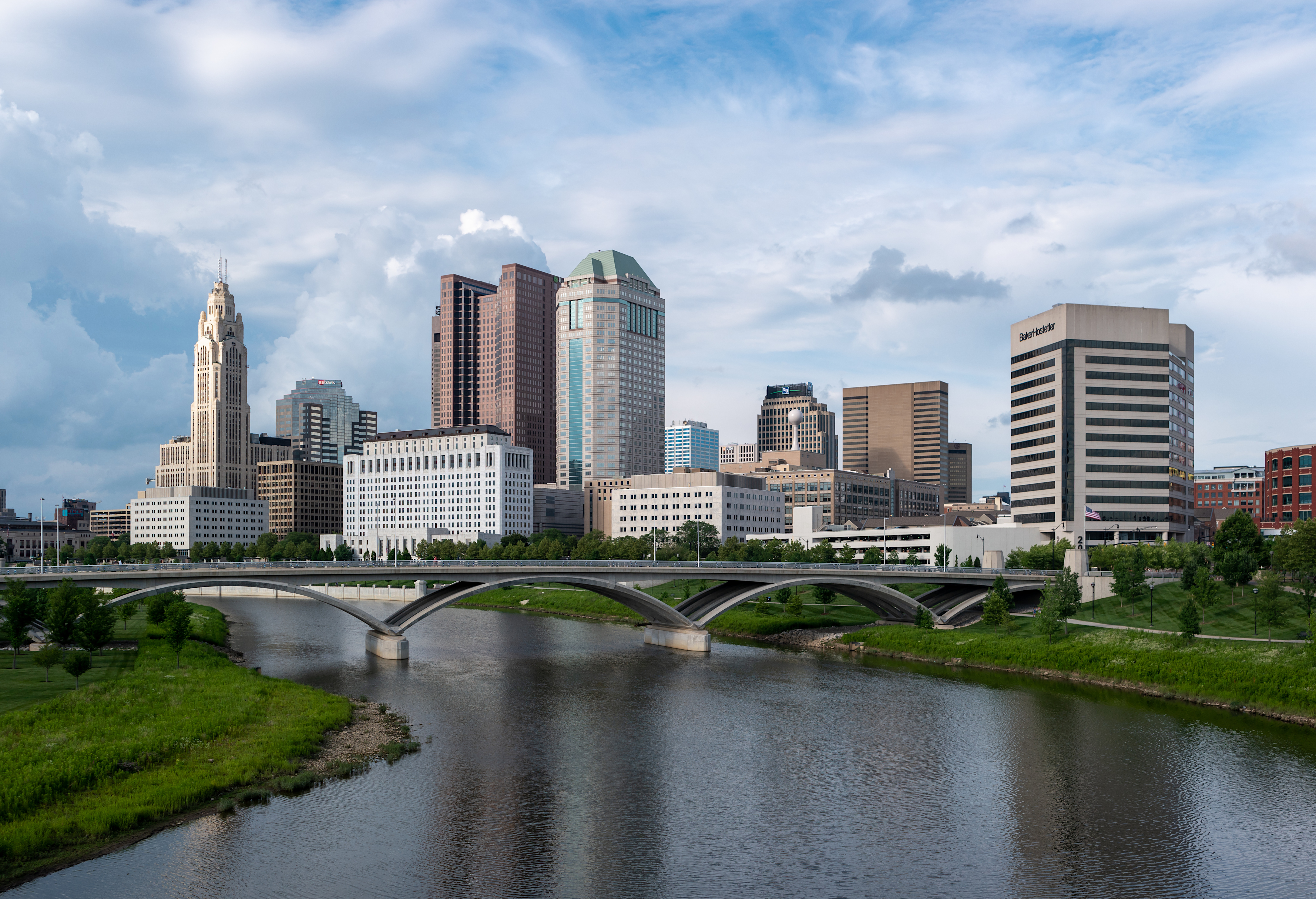
Columbus, Ohio’s capital and largest city, sits at the confluence of the Scioto and Olentangy rivers in Central Ohio. Founded in 1812 for its central location, it grew into a transportation, governmental, educational, and industrial hub. Today, the Columbus metropolitan area is Ohio’s largest, renowned for Ohio State University, a diverse economy, lively neighborhoods such as German Village and the Short North, major cultural institutions, and emerging leadership in technology, artificial intelligence, robotics, and semiconductor manufacturing.
Recreational Delights
Columbus offers extensive opportunities for outdoor recreation across roughly 370 city parks and numerous regional Metro Parks. The Scioto Mile provides riverfront paths, lawns, fountains, and skyline views, while Scioto Audubon Metro Park adds trails, birdwatching, climbing features, and a nature center. Whetstone Park and the Columbus Park of Roses are popular for walking, gardens, and seasonal blooms. Franklin Park Conservatory combines botanical displays with attractive grounds, and Topiary Park offers a distinctive downtown landscape. Visitors can also explore the Columbus Zoo and Aquarium and its adjacent Zoombezi Bay water park. The city’s relatively flat terrain supports cycling, with trails, bike-share stations, and dedicated bridge lanes. Nearby rivers and creeks offer additional nature-watching and low-impact recreation, while major annual events, including the Ohio State Fair and Red, White, and Boom!, bring large crowds outdoors.
Culinary Scene
Columbus has a broad culinary scene shaped by its international population, student community, Italian-American heritage, and thriving food-and-beverage industry. North Market, downtown near the Short North, is a central food hall offering vendors, prepared meals, produce, and specialty products. The Short North is especially known for restaurants, bars, galleries, and late-night dining, while German Village and the Brewery District contribute historic character, craft beer, and contemporary eateries. Italian Village reflects the city’s longstanding Italian-American influence. Local specialties include Columbus-style pizza, distinguished by a thin crust, slightly sweet tomato sauce, and cheese covering the entire surface before square cuts. The area also supports a substantial brewery and pub culture, a major Anheuser-Busch brewery, food festivals, and twice-yearly Restaurant Week Columbus. Regional restaurant companies and chains headquartered in the area include Cameron Mitchell Restaurants, Donatos Pizza, Wendy’s, White Castle, and Bob Evans.
Demographics
- The Columbus metropolitan area has approximately 2.18 million residents in the supplied demographic estimate, while the 2020 city census recorded 905,748 residents.
- The supplied median age is 36.7, younger than the U.S. median of 38.9, reflecting the influence of Ohio State University and the region’s expanding employment base.
- Median household income is $81,945, slightly above the U.S. median of $80,734. Columbus is increasingly diverse, with significant African, Asian, Latin American, Somali, and Bhutanese-Nepali communities.
Population
2,175,788
Growth 1.11%
Households
864,663
Growth 1.1%
Median Age
36.7
US Median Age 38.9
Median Household Income
$81,945
US Median Household Income $80,734
Sports
Hockey
Columbus Blue Jackets
Soccer
Columbus Crew
Baseball
Columbus Clippers
College football and athletics
Ohio State Buckeyes
Education
The Ohio State University
Columbus State Community College
Columbus College of Art and Design
Pontifical College Josephinum
Entertainment
Columbus Museum of Art and the Pizzuti Collection
COSI science and children’s museum
Ohio Theatre and the historic downtown theater district
Wexner Center for the Arts
Quality of Life
Columbus combines a comparatively young population, above-national median household income, major universities, strong hospitals, cultural attractions, and a diversified economy. Its flat terrain, extensive parks, central location, and generally manageable snowfall support active living and regional access. Residents also face traffic congestion, rising housing and homelessness pressures, economic segregation, and limited passenger rail service.
2022 Population by age
6%
0-4 Years
20%
5-19 Years
6%
20-24 Years
29%
25-44 Years
24%
45-64 Years
14%
65+ Years
Employers
4%
Unemployment rate
Employment sectors
Health Care and Social Assistance
15.84%
Retail Trade
11.58%
Educational Services
9.59%
Manufacturing
9.16%
Professional, Scientific, and Technical Services
8.44%
Finance and Insurance
7.88%
Accommodation and Food Services
6.56%
Transportation and Warehousing
6.54%
Construction
5.93%
Public Administration
4.98%
Administrative and Support and Waste Management Services
4.16%
Wholesale Trade
2.32%
Other
7%