
Golf Meadow
Closed1852 Golf View Ave, Fort Myers, FL 33901
Cape Coral-Fort Myers, FL
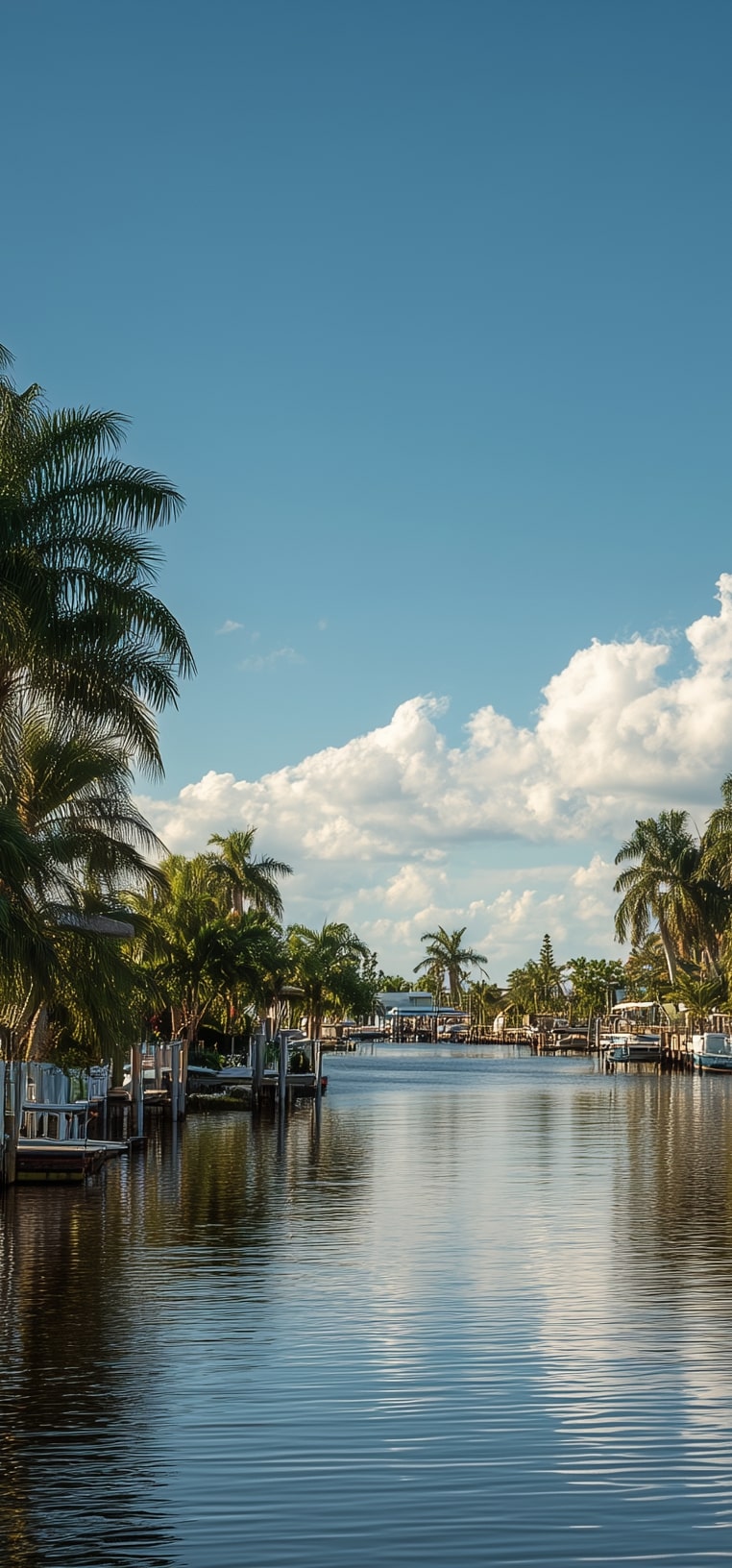
Cape Coral–Fort Myers is a fast-growing metropolitan area on Florida’s Gulf Coast, centered on Cape Coral’s peninsula and Fort Myers along the Caloosahatchee River. Cape Coral is renowned for more than 400 miles of navigable canals—more than any other city in the world—along with abundant sunshine, waterfront neighborhoods, and access to the Gulf of Mexico. Fort Myers adds historic charm, cultural attractions, and regional services, while nearby islands, preserves, and beaches provide a distinctly coastal Southwest Florida lifestyle.
Recreational Delights
Outdoor recreation is central to life in Cape Coral–Fort Myers. Cape Coral’s extensive canal network supports boating, kayaking, paddleboarding, fishing, and wildlife watching, with public launches and Gulf access through the Caloosahatchee River and Matlacha Pass. The public Yacht Basin offers a riverfront beach, while Four Mile Cove Ecological Preserve features mangroves, boardwalks, and an elevated nature trail. Rotary Park, Lake Kennedy, and Sirenia Vista Park are popular for birdwatching, walking, and observing manatees and other wildlife. SunSplash Water Park provides family-oriented aquatic entertainment, and more than 30 local parks offer playgrounds, athletic fields, walking paths, pavilions, and fitness facilities. Nearby Matlacha Pass National Wildlife Refuge, Pine Island, Sanibel Island, and Gulf beaches expand opportunities for nature photography, shelling, sailing, and sport fishing. The region’s warm climate and approximately 355 sunny days annually support year-round outdoor activity, though summer heat, thunderstorms, and hurricane season require planning.
Culinary Scene
The Cape Coral–Fort Myers dining scene combines Gulf Coast seafood with broad American and international influences. Waterfront restaurants specialize in locally inspired seafood, fish tacos, stone crab, shrimp, oysters, and sunset dining along the Caloosahatchee River, canals, and marinas. Fort Myers’ historic River District is a key food and nightlife area, with restaurants, cafés, breweries, and bars in a walkable downtown setting. Cape Coral’s commercial corridors, especially Cape Coral Parkway and Del Prado Boulevard, offer an increasingly diverse mix of Italian, Mexican, Caribbean, Asian, German, and casual American restaurants. Seasonal residents and visitors support lively brunch, craft-beer, farmers-market, and food-truck scenes. The area’s multilingual population contributes to its culinary variety, while waterfront tiki bars and marina eateries provide a distinctly Southwest Florida experience. Nearby Matlacha is known for an artsy island atmosphere and casual seafood stops, complementing Fort Myers’ historic dining and Cape Coral’s growing neighborhood restaurant scene.
Demographics
- The metropolitan area has 817,666 residents and a median age of 49, considerably older than the U.S. median age of 38.9, reflecting a strong retiree and mature-adult presence alongside a growing working-age population.
- Median household income is $76,107, below the U.S. median of $80,734. Cape Coral’s economy is supported by healthcare, retail, real estate, construction, public services, and tourism-related activity.
- English is the dominant home language, while Spanish, German, Italian, French, and Tagalog contribute to the area’s cultural diversity. Cape Coral’s population grew 26% from 2010 to 2020.
Population
817,666
Growth 3.15%
Households
327,803
Growth 2.57%
Median Age
49
US Median Age 38.9
Median Household Income
$76,107
US Median Household Income $80,734
Education
Florida Gulf Coast University
Florida SouthWestern State College
Cape Coral Technical College
Lee County School District and Cape Coral public schools
Entertainment
Barbara B. Mann Performing Arts Hall
Sidney & Berne Davis Art Center
IMAG History & Science Center
Edison and Ford Winter Estates
Quality of Life
Cape Coral–Fort Myers offers a sunny, relaxed coastal lifestyle with plentiful boating, parks, healthcare, shopping, and cultural amenities. Waterfront access and warm winters are major advantages, while traffic, hurricane risk, summer humidity, and ongoing growth create challenges. Housing and services vary considerably by neighborhood.
2022 Population by age
4%
0-4 Years
15%
5-19 Years
5%
20-24 Years
21%
25-44 Years
25%
45-64 Years
29%
65+ Years
Employers
4%
Unemployment rate
Employment sectors
Retail Trade
14.2%
Health Care and Social Assistance
14.05%
Construction
13.22%
Accommodation and Food Services
8.58%
Professional, Scientific, and Technical Services
7.68%
Administrative and Support and Waste Management Services
6.96%
Educational Services
6.88%
Transportation and Warehousing
5.44%
Manufacturing
4.04%
Finance and Insurance
3.92%
Real Estate and Rental and Leasing
3.61%
Public Administration
3.52%
Arts, Entertainment, and Recreation
3.23%
Wholesale Trade
2.06%
Other
2.59%