
Congress Crossing
Closed1802 Decatur Pike, Athens, TN 37303
Cleveland, TN
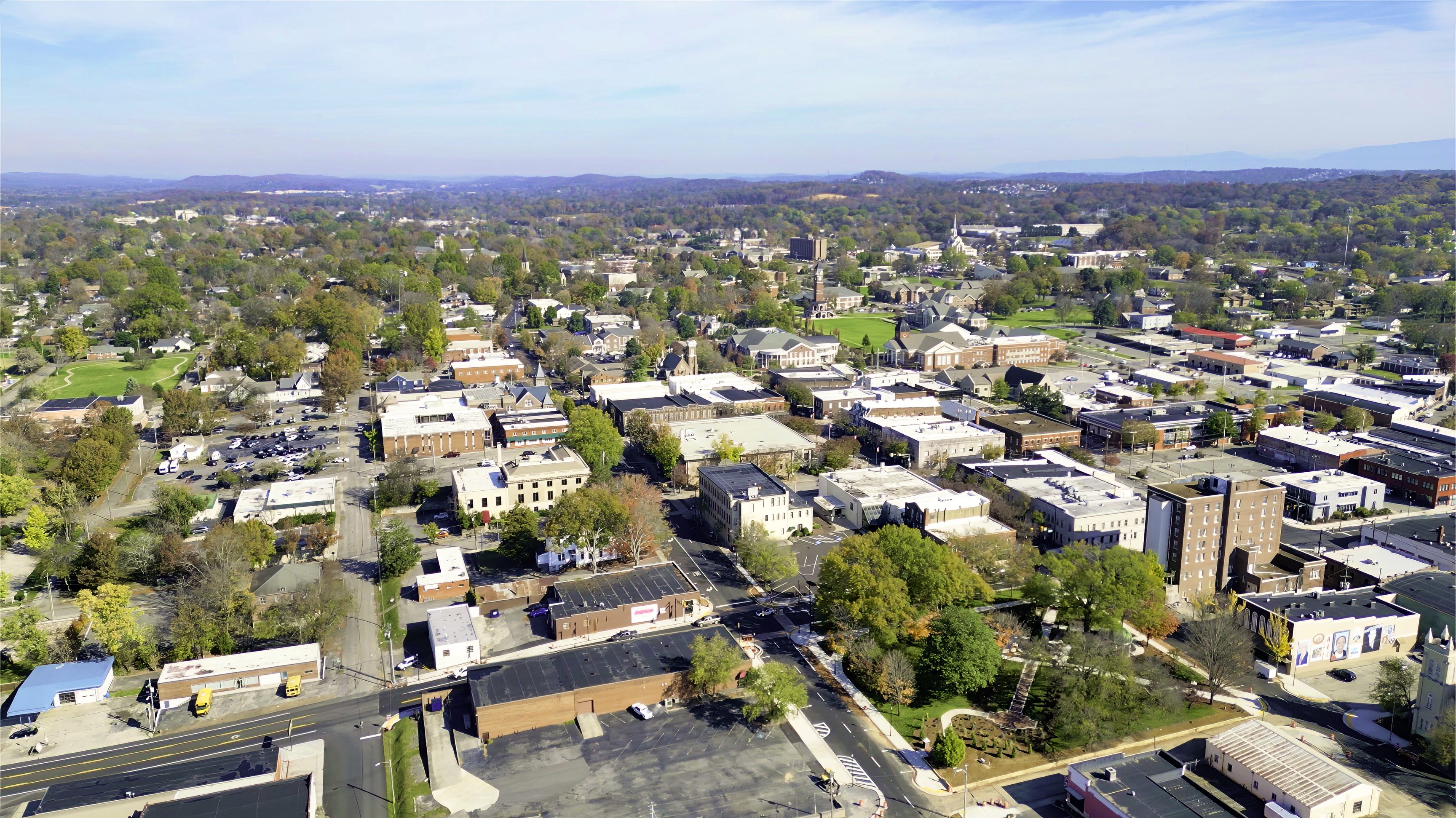
Cleveland, Tennessee, is the county seat and largest city of Bradley County, positioned in the Great Appalachian Valley between Chattanooga and the Blue Ridge Mountains. Known as “The City with Spirit,” it combines a historic downtown, scenic ridges and waterways, and one of Tennessee’s most substantial industrial economies. Cleveland is the principal city of a metropolitan area spanning Bradley and Polk counties and forms part of the broader Chattanooga–Cleveland–Dalton region. Its heritage reaches from Cherokee history and the Trail of Tears to Civil War railroads, postwar manufacturing, and distinctive traditions such as Tall Betsy and hot slaw.
Recreational Delights
Cleveland offers accessible outdoor recreation amid Appalachian foothills, streams, and nearby lakes. The Cleveland/Bradley County Greenway follows South Mouse Creek for approximately 4.4 miles, providing space for walking, running, and cycling. Taylor Spring Park commemorates the city’s early settlement, while Bradley County Park, Greenway Park, Johnston Park, Kenneth L. Tinsley Park, and other neighborhood facilities support sports, picnicking, and family activities. Just beyond the city, Cherokee National Forest opens opportunities for hiking, camping, fishing, and scenic exploration. The Ocoee and Hiwassee rivers are especially popular for rafting and paddling; the Ocoee hosted canoe slalom events during the 1996 Atlanta Olympics. Red Clay State Park preserves an important Cherokee council-site landscape north of town, and the Ocoee Regional Nature Center features a state-certified arboretum with more than 100 types of trees, plants, flowers, and shrubs.
Culinary Scene
Cleveland’s food culture blends Southern comfort cooking with the everyday dining diversity expected of a growing regional center. Local restaurants and food businesses reflect the city’s manufacturing and agricultural surroundings, with barbecue, burgers, fried chicken, homestyle plates, bakery goods, and international options available across downtown and the northern retail corridor. The city’s most distinctive specialty is hot slaw, a tangy, spicy cabbage dish served with sandwiches and Southern meals; in 2024, Cleveland was recognized as Tennessee’s hot slaw capital after hot slaw became the state’s official food. Downtown and the historic commercial district provide a walkable setting for independent eateries, cafés, and event food vendors. Annual celebrations broaden the scene: the Cleveland Apple Festival features food booths alongside crafts and bluegrass, while the MainStreet Cleveland Halloween Block Party brings large crowds, live music, and seasonal vendors.
Demographics
- The broader Cleveland metropolitan area has 128,963 residents. Cleveland city itself recorded 47,356 people in the 2020 Census, and 99.6% of residents lived in urban areas.
- The supplied median age is 40.5, somewhat older than the U.S. median of 38.9. The city’s 2020 median age was 35.9, with 21.7% under 18 and 16.9% age 65 or older.
- Median household income is $66,135, below the U.S. median of $80,734. Cleveland’s economy is supported by manufacturing, healthcare, education, retail, logistics, and established corporate headquarters.
Population
128,963
Growth 1.19%
Households
50,020
Growth 1.97%
Median Age
40.5
US Median Age 38.9
Median Household Income
$66,135
US Median Household Income $80,734
Sports
Wrestling
Cleveland High School Blue Raiders
Wrestling
Bradley Central High School Bears
Football
Cleveland High School Blue Raiders
Baseball
Cleveland Manufacturers
Education
Lee University
Cleveland State Community College
Cleveland High School
Bradley Central High School
Entertainment
Museum Center at Five Points
Craigmiles Hall
Ocoee Regional Nature Center
MainStreet Cleveland Halloween Block Party
Quality of Life
Cleveland offers a comparatively compact, community-oriented lifestyle with parks, schools, higher education, healthcare, historic districts, and convenient access to I-75, Chattanooga, rivers, and Cherokee National Forest. Its strong manufacturing base and regional services support employment, while income levels remain below the national median. Residents benefit from cultural festivals, outdoor recreation, and a generally lower-density setting.
2022 Population by age
5%
0-4 Years
19%
5-19 Years
6%
20-24 Years
25%
25-44 Years
27%
45-64 Years
18%
65+ Years
Employers
6%
Unemployment rate
Employment sectors
Manufacturing
19.77%
Health Care and Social Assistance
13.6%
Retail Trade
12.75%
Educational Services
11.07%
Construction
6.65%
Accommodation and Food Services
6.45%
Transportation and Warehousing
6.27%
Public Administration
4.17%
Administrative and Support and Waste Management Services
3.97%
Professional, Scientific, and Technical Services
3.81%
Finance and Insurance
3.5%
Other
7.98%