
Classic Storage
Closed390 Forest Cir, Jonesborough, TN 37659
Johnson City, TN
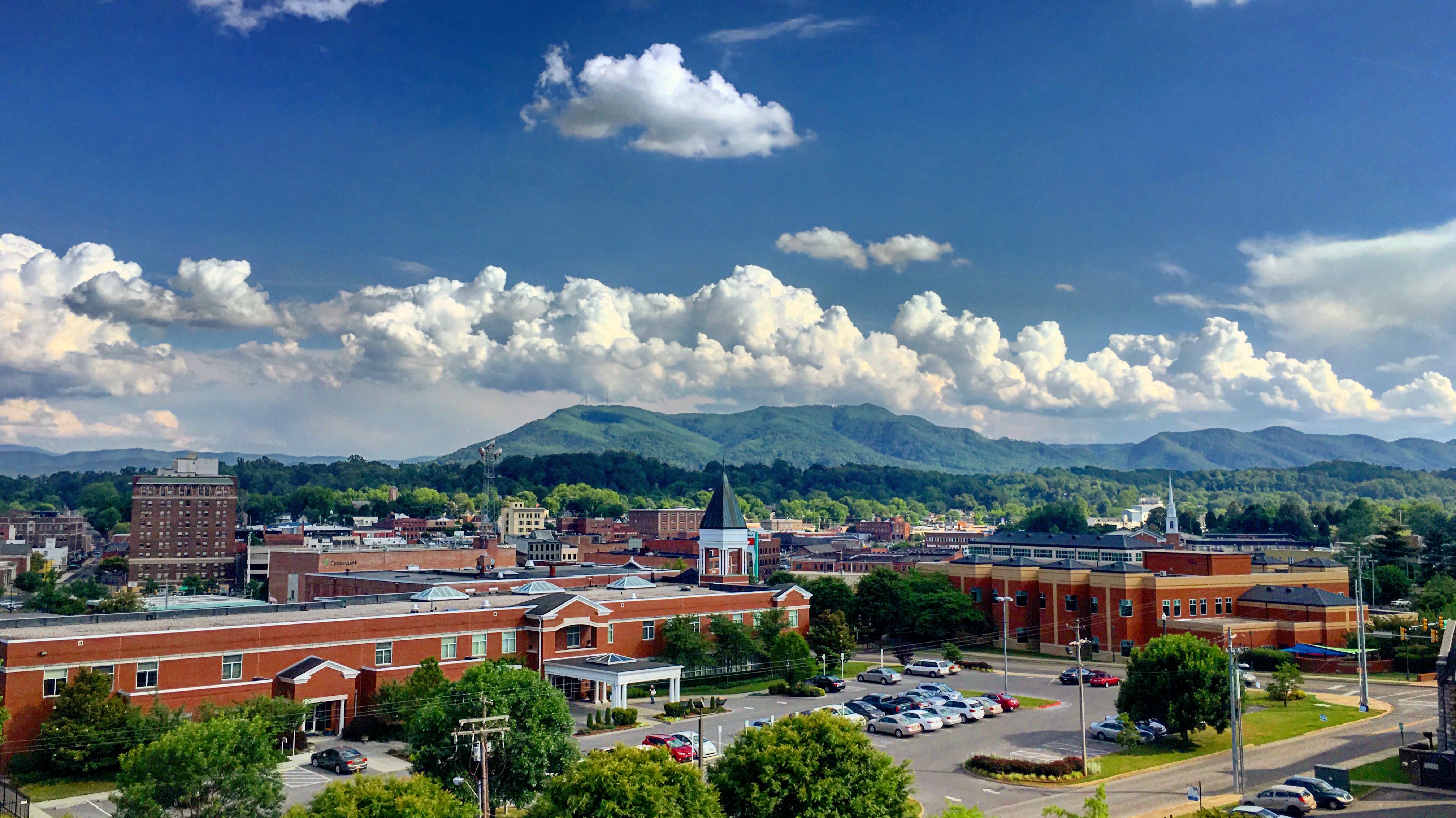
Johnson City lies in an Appalachian valley of northeastern Tennessee, near the Watauga River arm of Boone Lake and within the Tri-Cities region shared with Kingsport and Bristol. Founded as a railroad town in 1856, it developed into a regional center for medicine, education, commerce, and culture. East Tennessee State University and Ballad Health anchor the city’s modern identity, while its historic railroad heritage, proximity to the Blue Ridge Mountains, and connections to old-time Appalachian music give Johnson City a distinctive character. The city is also associated with the 1928 Johnson City Sessions, the origins of Mountain Dew, and the historic Mountain Home veterans campus.
Recreational Delights
Outdoor recreation surrounds Johnson City with mountain scenery, waterways, trails, and historic landscapes. Buffalo Mountain Park offers wooded trails, overlooks, and hiking on a ridge rising above the city. The Watauga River arm of Boone Lake supports boating, fishing, paddling, and lakeside relaxation. The Tweetsie Trail, following a former railroad corridor toward Elizabethton, is popular for walking, running, and cycling. Founders Park provides green space and downtown events, while the East Tennessee State University Arboretum offers landscaped paths and educational displays. Tipton-Haynes State Historic Site combines local history with open grounds and walking opportunities. Nearby Appalachian ridges and waterways expand the possibilities for camping, scenic drives, wildlife viewing, and more demanding hikes. Johnson City’s moderate four-season climate, with warm summers, cool winters, and occasional snowfall, allows outdoor activities throughout much of the year.
Culinary Scene
Johnson City’s food culture reflects the flavors of Southern Appalachia while benefiting from its university population and regional role. Downtown and the Fountain Square area provide a walkable setting for locally owned restaurants, cafés, bars, and casual dining, while North Johnson City and the State of Franklin Road corridor add a broad range of national and regional choices. Visitors can find familiar Southern comfort foods, barbecue, burgers, breakfast fare, international dishes, craft beverages, and contemporary Appalachian interpretations. The city’s culinary identity also includes a strong connection to Mountain Dew, which originated in Johnson City. Farmers-market ingredients, local events, and an expanding interest in independent restaurants contribute to a relaxed, community-oriented food scene serving residents from the wider Tri-Cities area.
Demographics
- The supplied demographic profile lists 210,729 residents, a median age of 42.1—older than the U.S. median of 38.9—while the 2020 city census recorded 71,046 residents.
- Median household income is $57,762, below the supplied U.S. median of $80,734, reflecting a comparatively affordable regional economy anchored by education, healthcare, retail, and manufacturing.
- Johnson City is part of the 585,041-person Tri-Cities region and serves a broad population across northeastern Tennessee, southwest Virginia, western North Carolina, and southeastern Kentucky.
Population
210,729
Growth 0.86%
Households
88,979
Growth 0.85%
Median Age
42.1
US Median Age 38.9
Median Household Income
$57,762
US Median Household Income $80,734
Sports
Baseball
Johnson City Doughboys
College football
East Tennessee State Buccaneers
College basketball
East Tennessee State Buccaneers
College soccer
East Tennessee State Buccaneers
Education
East Tennessee State University
Milligan University
Northeast State Community College Johnson City site
Science Hill High School
Entertainment
Freedom Hall Civic Center
Carroll Reece Museum at East Tennessee State University
Founders Park
Johnson City Community Theatre
Quality of Life
Johnson City offers an appealing balance of Appalachian scenery, relatively accessible housing and services, higher education, major medical facilities, and a lively regional retail and cultural role. Residents benefit from trails, parks, waterways, and a compact historic core, though incomes trail national levels and transportation remains primarily highway-based. Its university presence and regional hospitals provide distinctive amenities for a midsize community.
2022 Population by age
4%
0-4 Years
17%
5-19 Years
8%
20-24 Years
24%
25-44 Years
27%
45-64 Years
20%
65+ Years
Employers
5%
Unemployment rate
Employment sectors
Health Care and Social Assistance
18.59%
Manufacturing
12.91%
Retail Trade
12.9%
Educational Services
10.06%
Accommodation and Food Services
8.67%
Construction
7.04%
Professional, Scientific, and Technical Services
5.04%
Administrative and Support and Waste Management Services
4.63%
Finance and Insurance
4.29%
Transportation and Warehousing
4.11%
Public Administration
3.71%
Other
8.03%