
Chipotle Mexican Grill
Closed1806 Fort Campbell Blvd, Clarksville, TN 37042
Clarksville, TN
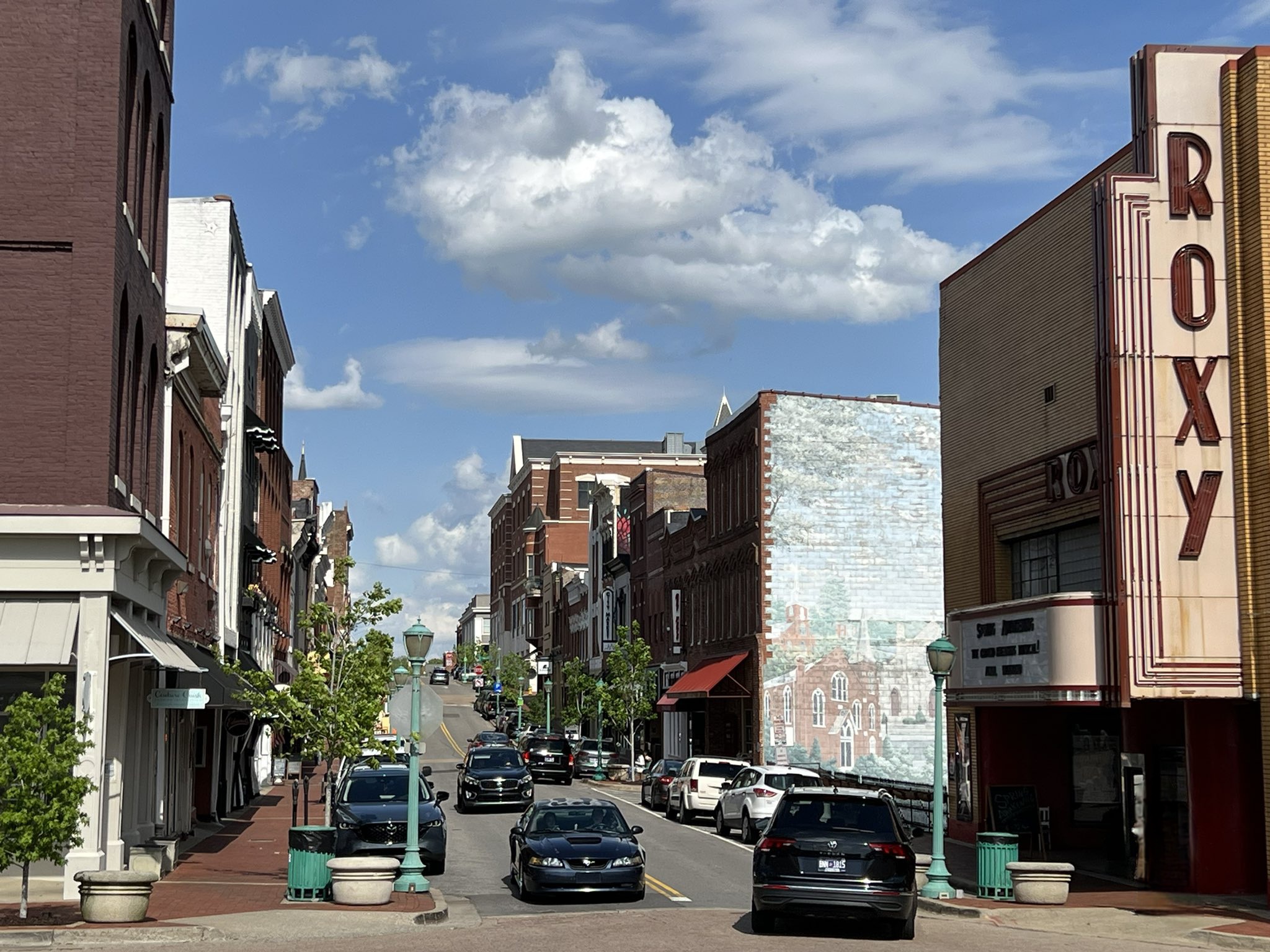
Clarksville, Tennessee, is the county seat of Montgomery County and the principal city of a Tennessee–Kentucky metropolitan area. Set on the Cumberland River near the Highland Rim and about 45 miles northwest of Nashville, it is known for its historic riverfront, tobacco-trade heritage, Austin Peay State University, and close relationship with Fort Campbell. Founded in 1785 and incorporated in 1807, Clarksville has grown into Tennessee’s fifth-most populous city and one of the state’s fastest-growing communities. Its blend of military, university, commercial, and historic influences gives it a distinctive regional character.
Recreational Delights
Outdoor recreation centers on the Cumberland River and Clarksville’s extensive green spaces. Liberty Park and Marina provides river access for boating, fishing, walking, and waterfront relaxation, while the Cumberland and Red rivers offer opportunities for paddling and wildlife viewing. Dunbar Cave is a notable natural attraction, and the Clarksville City Arboretum provides landscaped grounds for strolling and learning about regional plant life. Fort Defiance, overlooking the river, combines scenic views with Civil War interpretation. Downtown’s historic streets, the restored L&N Train Station, and nearby riverfront areas support walking, photography, and heritage exploration. Seasonal weather brings hot summers, cool winters, and year-round precipitation, making outdoor activities possible across much of the year, although visitors should remain alert to occasional severe storms.
Culinary Scene
Clarksville’s food culture reflects Middle Tennessee traditions, military-community diversity, and steady population growth. Southern comfort food, barbecue, burgers, fried chicken, and homestyle cooking are central to the local dining identity, while international and casual dining options serve a broad population connected to Fort Campbell and Austin Peay State University. Downtown Clarksville, particularly around Franklin Street and the historic central business district, is the city’s most recognizable setting for independent restaurants, cafés, and evening gathering spots. Commercial corridors along Wilma Rudolph Boulevard and Fort Campbell Boulevard add national chains, retail-oriented dining, and everyday family restaurants. Local food trends also include craft beverages, food trucks, takeout, and community-oriented markets, giving residents a mix of traditional Tennessee flavors and contemporary options.
Demographics
- Clarksville has 176,456 residents in the supplied estimate, while the 2020 census recorded 166,722. Its population has more than doubled since 1980, reflecting annexation, military expansion, and regional growth.
- The median age is 31, considerably younger than the U.S. median of 38.9. Austin Peay State University, Fort Campbell, and military families contribute to the city’s youthful profile.
- Median household income is $69,303, below the supplied U.S. median of $80,734. The city is highly urbanized, with 98.3% of 2020 residents living in urban areas.
Population
176,456
Growth 2.65%
Households
67,832
Growth 4.58%
Median Age
31
US Median Age 38.9
Median Household Income
$69,303
US Median Household Income $80,734
Sports
College football
Austin Peay Governors
Men’s college basketball
Austin Peay Governors
Women’s college basketball
Austin Peay Governors
Arena football
Nashville Kats
Education
Austin Peay State University
Clarksville-Montgomery County School System
Nashville State Community College
Daymar Institute
Entertainment
Roxy Regional Theatre
Customs House Museum and Cultural Center
F&M Bank Arena
Fortera Stadium
Quality of Life
Clarksville offers a relatively affordable, youthful, and growing quality of life with riverfront recreation, parks, cultural attractions, higher education, and access to Nashville. Fort Campbell supports employment and community diversity, while expanding commercial development adds convenience. Residents also face rapid-growth pressures, traffic, and periodic tornadoes, flooding, hail, and other severe weather.
2022 Population by age
8%
0-4 Years
21%
5-19 Years
9%
20-24 Years
34%
25-44 Years
18%
45-64 Years
10%
65+ Years
Employers
6%
Unemployment rate
Employment sectors
Health Care and Social Assistance
15.21%
Retail Trade
14%
Manufacturing
11.31%
Educational Services
9.3%
Accommodation and Food Services
8.92%
Public Administration
7.67%
Construction
6.68%
Transportation and Warehousing
5.55%
Administrative and Support and Waste Management Services
5.47%
Professional, Scientific, and Technical Services
5.07%
Finance and Insurance
3.17%
Other
7.65%