
Chick-fil-A Ground Lease
Closed5805 Nolensville Pike, Nashville, TN 37211
Nashville-Davidson--Murfreesboro--Franklin, TN
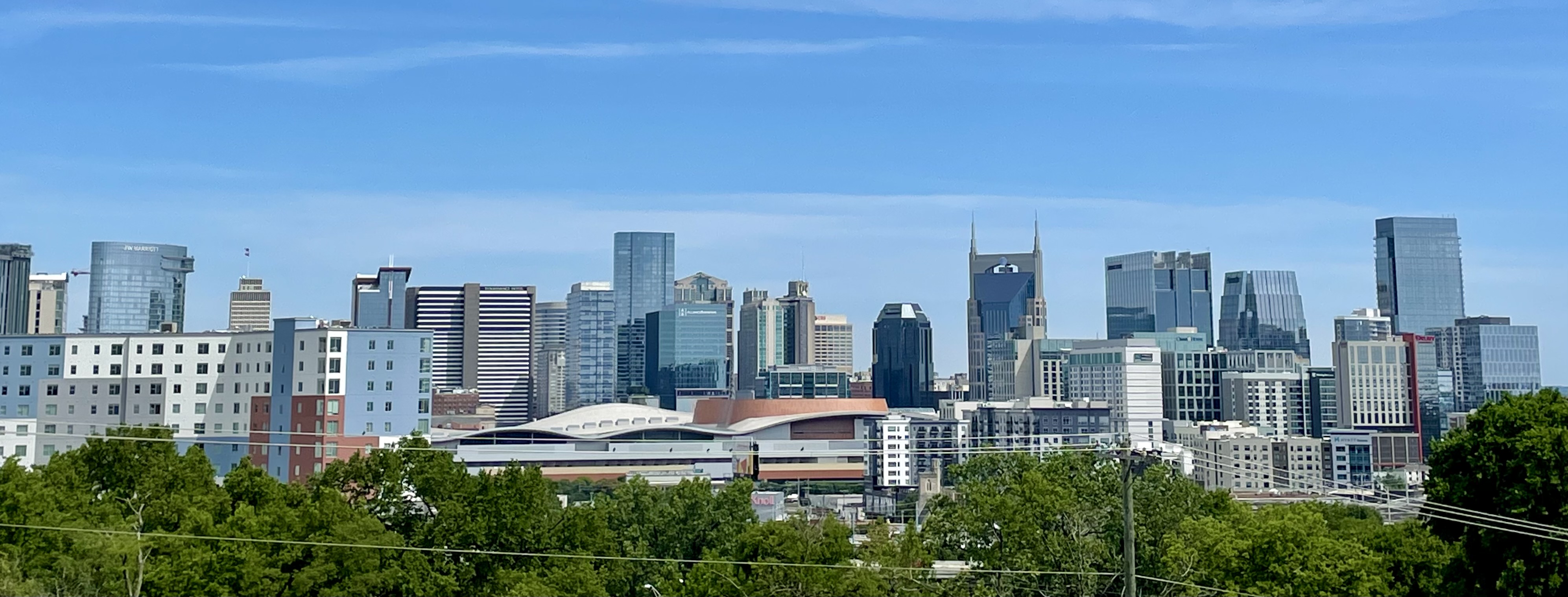
The Nashville-Davidson–Murfreesboro–Franklin metropolitan area is a fast-growing region in north-central Tennessee and the state’s most populous metropolitan area, with more than 2 million residents. Centered on Nashville, Tennessee’s capital and largest city, it stretches across rolling Middle Tennessee landscapes, fertile farmland, limestone-rich Nashville Basin terrain, and the Highland Rim. The Cumberland River, extensive interstate connections, and celebrated music institutions help define the region. Nashville’s global reputation as Music City, combined with Murfreesboro’s role as the state’s geographic and population center and Franklin’s historic charm, makes the metropolitan area a major cultural, economic, and residential hub.
Recreational Delights
Outdoor opportunities range from urban parks and riverfront recreation to wooded preserves and rolling countryside. Nashville’s Percy Warner Park and Edwin Warner Park offer hiking, mountain biking, horseback riding, scenic drives, and picnic areas, while Radnor Lake State Park provides wildlife viewing, birding, and peaceful hiking trails. Centennial Park features walking paths, lawns, gardens, and a full-scale Parthenon replica. The Cumberland River supports boating, fishing, paddling, and waterfront recreation, with greenways connecting neighborhoods throughout the region. Residents also enjoy boating and waterside activities at Percy Priest Lake east of Nashville, while Old Hickory Lake and nearby waterways expand opportunities for fishing and sailing. Murfreesboro’s Stones River Greenway provides trails for walking and cycling, and the surrounding counties offer farms, caves, limestone landscapes, and rural scenic routes. Franklin and the southern suburbs add parks, historic landscapes, and access to the Harpeth River, while the region’s cedar glades and karst terrain provide distinctive natural habitats for exploration.
Culinary Scene
The metropolitan area’s culinary identity blends traditional Southern cooking with an increasingly international and chef-driven scene. Nashville hot chicken is the signature local specialty, served by famous establishments and neighborhood restaurants, while barbecue, biscuits, meat-and-three plates, country ham, and regional comfort food remain deeply rooted in the area. Downtown Nashville’s Lower Broadway is known for honky-tonk dining and late-night food, while East Nashville offers independent restaurants, coffee shops, breweries, food trucks, and creative contemporary cuisine. Germantown, The Gulch, 12South, and Midtown are popular dining districts with upscale Southern fare, global menus, cocktail bars, and lively patios. Franklin and downtown Murfreesboro provide additional concentrations of locally owned restaurants, bakeries, and breweries. The region also has strong Mexican, Asian, Mediterranean, Indian, and vegetarian offerings, reflecting metropolitan growth and demographic diversity. Farmers markets, craft breweries, distilleries, and chef-led tasting menus further distinguish the area’s evolving food culture.
Demographics
- The metropolitan area has 2,079,596 residents, making it Tennessee’s largest metropolitan region and one of the largest in the United States.
- At 36.9 years, the median age is younger than the U.S. median of 38.9, reflecting a comparatively youthful, growing population.
- Median household income is $85,447, exceeding the U.S. median of $80,734 and indicating relatively strong regional earning power.
Population
2,079,596
Growth 1.76%
Households
829,134
Growth 2.89%
Median Age
36.9
US Median Age 38.9
Median Household Income
$85,447
US Median Household Income $80,734
Entertainment
Grand Ole Opry
Ryman Auditorium
Country Music Hall of Fame and Museum
Schermerhorn Symphony Center
Quality of Life
The region offers a strong combination of employment growth, cultural amenities, parks, schools, and suburban housing choices. Nashville provides a dense entertainment core, while Franklin, Murfreesboro, and surrounding communities offer quieter settings and access to nature. Rapid population growth brings traffic, development pressure, housing costs, and threats to sensitive cedar-glade ecosystems, but the area remains attractive for its income levels, youthful population, and broad lifestyle options.
2022 Population by age
6%
0-4 Years
19%
5-19 Years
7%
20-24 Years
30%
25-44 Years
24%
45-64 Years
14%
65+ Years
Employers
4%
Unemployment rate
Employment sectors
Health Care and Social Assistance
15%
Retail Trade
11.54%
Manufacturing
10.06%
Educational Services
8.95%
Professional, Scientific, and Technical Services
8.92%
Construction
7.44%
Accommodation and Food Services
7.01%
Transportation and Warehousing
5.57%
Finance and Insurance
5.5%
Administrative and Support and Waste Management Services
4.52%
Public Administration
4.2%
Arts, Entertainment, and Recreation
2.78%
Wholesale Trade
2.46%
Information
2.38%
Real Estate and Rental and Leasing
2.17%
Other
1.51%