
Center at Kelsey Lane
Closed874 US-321, Lenoir City, TN 37771
Knoxville, TN
Knoxville, the seat of Knox County, lies along the Tennessee River in the Ridge-and-Valley Appalachians of East Tennessee. As the region’s largest city, it serves as a gateway between the Great Smoky Mountains and the Cumberland Plateau. Founded in 1786, Knoxville was Tennessee’s first capital and later became a center of rail commerce, manufacturing, energy, and higher education. Today, it is renowned for the University of Tennessee, the Tennessee Valley Authority, its revitalized downtown, Appalachian heritage, and the legacy of the 1982 World’s Fair, symbolized by the iconic Sunsphere.
Recreational Delights
Knoxville’s Tennessee River setting supports boating, fishing, kayaking, paddleboarding, and riverside walking, with Volunteer Landing, Downtown Island, and the Neyland Greenway providing popular access. The city’s extensive greenway network follows the river and local creeks, while parks such as Lakeshore Park, Ijams Nature Center, and Victor Ashe Park offer hiking, cycling, wildlife watching, climbing, and nature programs. Sharp’s Ridge provides panoramic views, and nearby Fort Dickerson Park combines trails with Civil War history. Knoxville is also a convenient base for Great Smoky Mountains National Park, roughly 20 miles south, where visitors can hike, camp, fish, and explore mountain scenery. Chilhowee Park and Zoo Knoxville add family-oriented recreation, while the waterfront becomes especially lively during University of Tennessee football weekends, when the VOL Navy gathers on Fort Loudoun Lake.
Culinary Scene
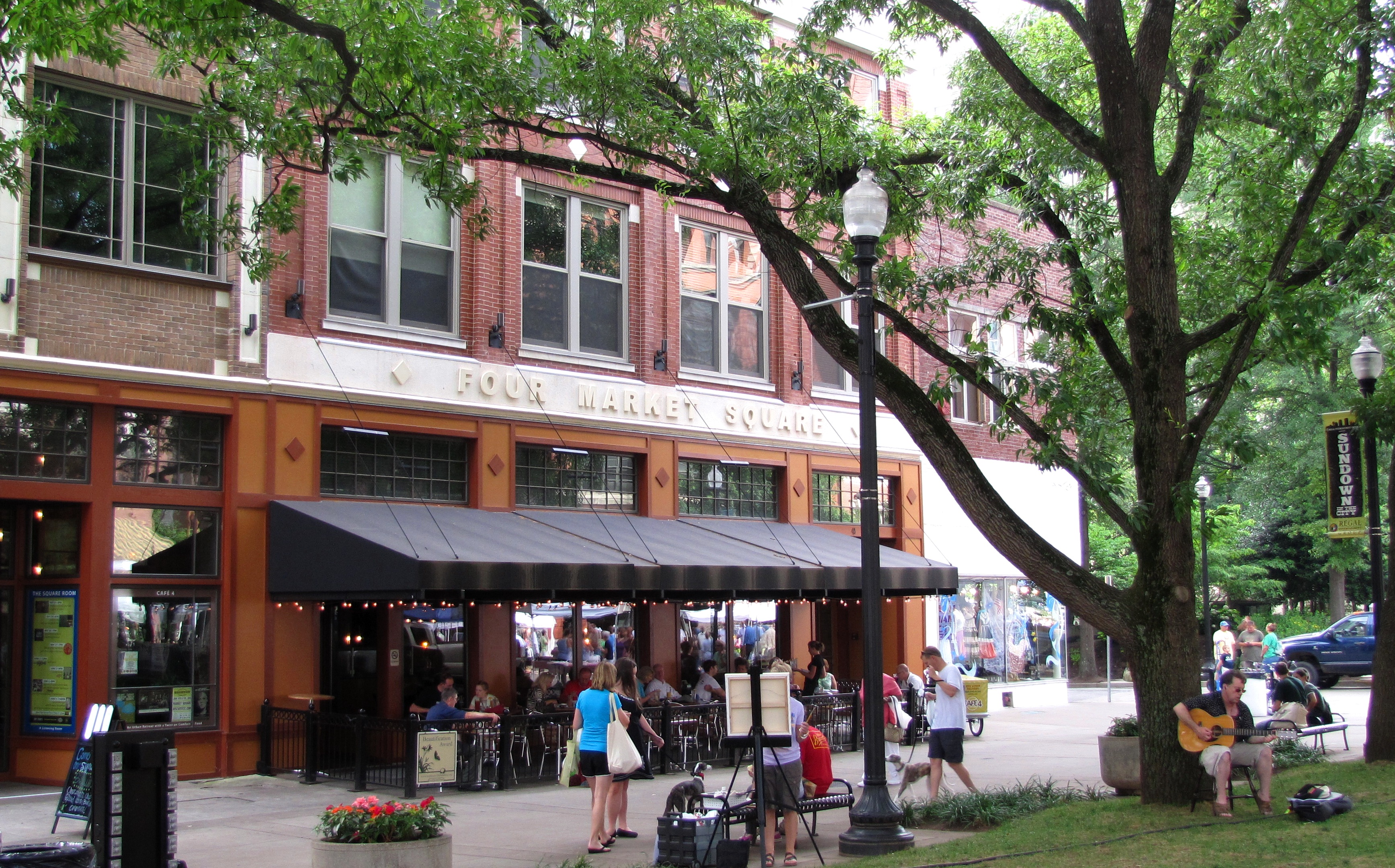
Knoxville’s food culture blends Appalachian traditions with Southern comfort food, barbecue, craft beer, coffee, international cuisine, and inventive farm-to-table dining. Market Square is the city’s best-known dining district, filled with restaurants, patios, cafés, food events, and a farmers market. The Old City offers an energetic mix of gastropubs, cocktail bars, breweries, and locally owned restaurants, while Gay Street adds polished dining and historic ambiance. Cumberland Avenue, near the University of Tennessee, is popular for casual restaurants and student-oriented food. South Knoxville and Bearden contribute neighborhood eateries, bakeries, and breweries, and the broader region is known for specialties such as chili, barbecue, biscuits, and locally inspired Southern dishes. Food festivals, farmers markets, and Knoxville’s craft-beverage scene reinforce the city’s reputation as a relaxed but increasingly creative culinary destination.
Demographics
- The supplied demographic figures describe a population of 932,241, consistent with the broader Knoxville metropolitan area rather than the city proper, whose 2020 census population was 190,740.
- The reported median age is 40.6, compared with 38.9 nationally, indicating a somewhat older regional population than the United States overall.
- Median household income is $72,422, below the supplied U.S. median of $80,734, while Knoxville’s university presence and Appalachian regional role contribute to a diverse economic and social character.
Population
932,241
Growth 1.38%
Households
378,234
Growth 1.94%
Median Age
40.6
US Median Age 38.9
Median Household Income
$72,422
US Median Household Income $80,734
Sports
College football
Tennessee Volunteers football
College basketball
Tennessee Volunteers men’s and Lady Vols basketball
Baseball
Tennessee Smokies
Ice hockey
Knoxville Ice Bears
Education
University of Tennessee, Knoxville
Pellissippi State Community College
Johnson University
South College
Entertainment
Tennessee Theatre
Bijou Theatre
Knoxville Museum of Art
Sunsphere and Tennessee Amphitheater
Quality of Life
Knoxville offers an appealing balance of relatively accessible living costs, outdoor amenities, cultural activity, higher education, and healthcare. Its riverfront, greenways, revitalized downtown, and proximity to the Smokies support an active lifestyle. Residents also benefit from major employers, improving air quality, and a strong arts scene, though incomes trail the national median and road congestion can affect growing suburban corridors.
2022 Population by age
5%
0-4 Years
18%
5-19 Years
7%
20-24 Years
25%
25-44 Years
26%
45-64 Years
19%
65+ Years
Employers
4%
Unemployment rate
Employment sectors
Health Care and Social Assistance
14.71%
Retail Trade
12.81%
Manufacturing
10.96%
Educational Services
9.43%
Construction
8.54%
Professional, Scientific, and Technical Services
8.06%
Accommodation and Food Services
7.59%
Finance and Insurance
5%
Administrative and Support and Waste Management Services
4.78%
Transportation and Warehousing
4.73%
Public Administration
3.78%
Wholesale Trade
2.44%
Other
7.17%