
Available for sublease
26 Twenty-Five
For Lease2625 Butterfield Road, Oak Brook, IL 60523
Chicago-Naperville-Elgin, IL-IN
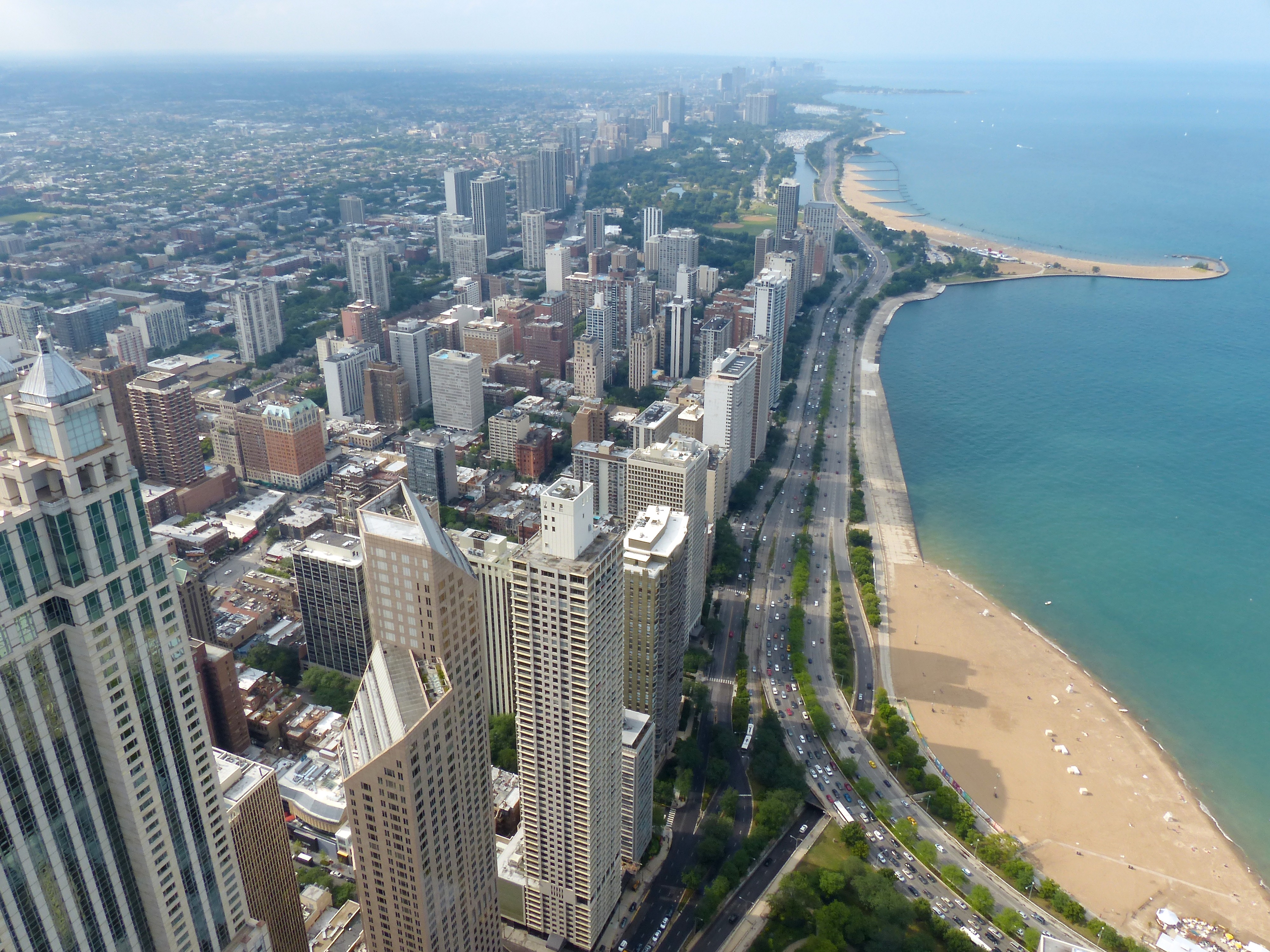
Chicago-Naperville-Elgin, commonly called Chicagoland, is a vast metropolitan region spanning northeastern Illinois and northwestern Indiana, with connections extending toward Wisconsin. Anchored by Chicago on Lake Michigan, it is the Midwest’s largest metropolitan area and one of North America’s major urban centers. The region is renowned for its cultural diversity, globally significant universities, corporate headquarters, transportation infrastructure, financial exchanges, and distinctive architectural and culinary traditions. Its landscape ranges from the flat Chicago Plain and lakefront beaches to suburban forest preserves, moraines, ravines, and the dramatic dunes of Indiana Dunes National Park.
Recreational Delights
Lake Michigan provides an extensive recreational setting, with Chicago’s lakefront offering beaches, lakefront trails, boating, kayaking, fishing, and waterfront parks. Millennium Park, Grant Park, and Lincoln Park combine gardens, trails, public art, museums, and event spaces, while the 606 provides an elevated urban walking and cycling path. Forest preserves across Cook, DuPage, Lake, Kane, and Will counties offer hiking, cycling, picnicking, golf, nature observation, and cross-country skiing. Indiana Dunes National Park features sandy beaches, dunes, wetlands, woodland trails, and birdwatching along the Indiana shore. The suburbs add riverfront paths, arboretums, golf courses, and recreational facilities in communities such as Naperville, Aurora, Elgin, and Joliet. Marinas at Waukegan, Wilmette, Winthrop Harbor, and other lakefront locations support sailing and boating, while the region’s extensive trail networks connect urban neighborhoods with suburban and natural landscapes.
Culinary Scene
Chicagoland’s food culture reflects its exceptionally diverse population and deep immigrant traditions. Signature specialties include Chicago-style deep-dish and tavern-style pizza, Chicago-style hot dogs, Italian beef, and caramel popcorn. The city’s neighborhoods create a broad culinary map: Chinatown is known for Chinese restaurants and bakeries; Devon Avenue features South Asian and Middle Eastern cuisines; Pilsen and the Lower West Side are celebrated for Mexican food; Greektown, Little Italy, and Argyle Street add Greek, Italian, and Vietnamese traditions. Fulton Market has become a major destination for contemporary restaurants, while Randolph Street and the West Loop offer chef-driven dining, tasting menus, and lively bars. Andersonville, Uptown, Logan Square, and suburban downtowns such as Naperville and Oak Park contribute independent restaurants, breweries, cafés, and global food scenes. Farmers markets, food halls, craft breweries, and inventive interpretations of regional classics further enrich the metropolitan dining landscape.
Demographics
- The supplied estimate lists 9,371,595 residents, with a median age of 38.6—slightly below the U.S. median of 38.9.
- Median household income is $90,887, exceeding the supplied U.S. median of $80,734.
- The region is highly diverse: 2022 estimates identify large non-Hispanic White, Hispanic, Black, and Asian populations, alongside substantial Mexican, African, German, Irish, Polish, Italian, Indian, Chinese, and other ancestries.
Population
9,371,595
Growth 0.13%
Households
3,643,783
Growth 0.78%
Median Age
38.6
US Median Age 38.9
Median Household Income
$90,887
US Median Household Income $80,734
Sports
Baseball
Chicago Cubs and Chicago White Sox
Football
Chicago Bears
Basketball
Chicago Bulls
Hockey
Chicago Blackhawks
Education
University of Chicago
Northwestern University
University of Illinois Chicago
DePaul University
Entertainment
Millennium Park and Grant Park
Art Institute of Chicago
Museum Campus, including the Field Museum, Shedd Aquarium, and Adler Planetarium
Chicago Theatre and the downtown theater district
Quality of Life
Chicagoland offers an unusually broad mix of cultural amenities, universities, employment centers, neighborhoods, suburbs, parks, and transportation choices. Residents benefit from major airports, commuter rail, rapid transit, lakefront recreation, and strong healthcare and educational institutions. Quality of life varies considerably by municipality and neighborhood, with differences in housing costs, school performance, income, congestion, taxation, and public safety.
2022 Population by age
5%
0-4 Years
19%
5-19 Years
6%
20-24 Years
28%
25-44 Years
25%
45-64 Years
16%
65+ Years
Employers
6%
Unemployment rate
Employment sectors
Health Care and Social Assistance
13.95%
Manufacturing
11.67%
Professional, Scientific, and Technical Services
10.63%
Retail Trade
10.5%
Educational Services
9.83%
Transportation and Warehousing
7.1%
Accommodation and Food Services
6.53%
Finance and Insurance
6.33%
Construction
5.59%
Administrative and Support and Waste Management Services
4.44%
Public Administration
3.49%
Wholesale Trade
2.79%
Arts, Entertainment, and Recreation
2.21%
Other
4.94%